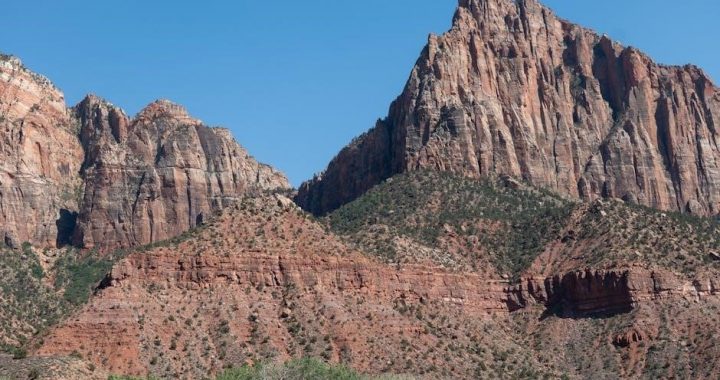
National Geographic Guide to National Parks: An Overview
National Geographic unveils breathtaking landscapes‚ from California’s Sequoia to Texas’ Big Bend‚ offering expert insights and planning tools for unforgettable park adventures.
Explore the US National Park System with detailed guides‚ vibrant photography‚ and essential tips for responsible travel‚ fostering connection with nature’s wonders.
The US National Park System‚ a cornerstone of American conservation‚ comprises over 400 areas – national parks‚ monuments‚ battlefields‚ historic sites‚ and more – preserving natural and cultural heritage. Established with the creation of Yellowstone in 1872‚ the system’s core mission is to safeguard these resources for present and future generations.
National Geographic’s guide emphasizes the system’s diverse offerings‚ from the geysers of Yellowstone to the coastal beauty of Acadia. These parks protect unique ecosystems‚ geological wonders‚ and historically significant locations. They provide opportunities for recreation‚ education‚ and scientific research.
The National Park Service‚ a bureau of the Department of the Interior‚ manages these lands‚ balancing preservation with public access. National Geographic highlights the importance of responsible visitation‚ promoting “Leave No Trace” principles to minimize impact and ensure the parks’ longevity. Exploring these areas fosters a deeper appreciation for the nation’s natural and cultural treasures.
History of National Park Creation
The story of US National Parks began with growing concerns about preserving natural wonders in the 19th century. National Geographic details how Yellowstone‚ with its unique geothermal features‚ spurred the initial movement‚ becoming the world’s first national park in 1872.
Early park management focused on military control‚ later transitioning to the National Park Service in 1916‚ under the leadership of Stephen Mather. This marked a shift towards professional conservation and public access. The New Deal era saw significant park expansion through land acquisition and infrastructure development.
National Geographic’s historical coverage reveals a complex narrative of conservation efforts‚ balancing preservation with resource utilization. From the establishment of the Grand Canyon as a National Monument to the inclusion of diverse landscapes like the Everglades‚ the system evolved to reflect a broader understanding of ecological and cultural value. Today‚ the system continues to adapt to modern challenges‚ ensuring these treasures endure.
Planning Your National Park Visit
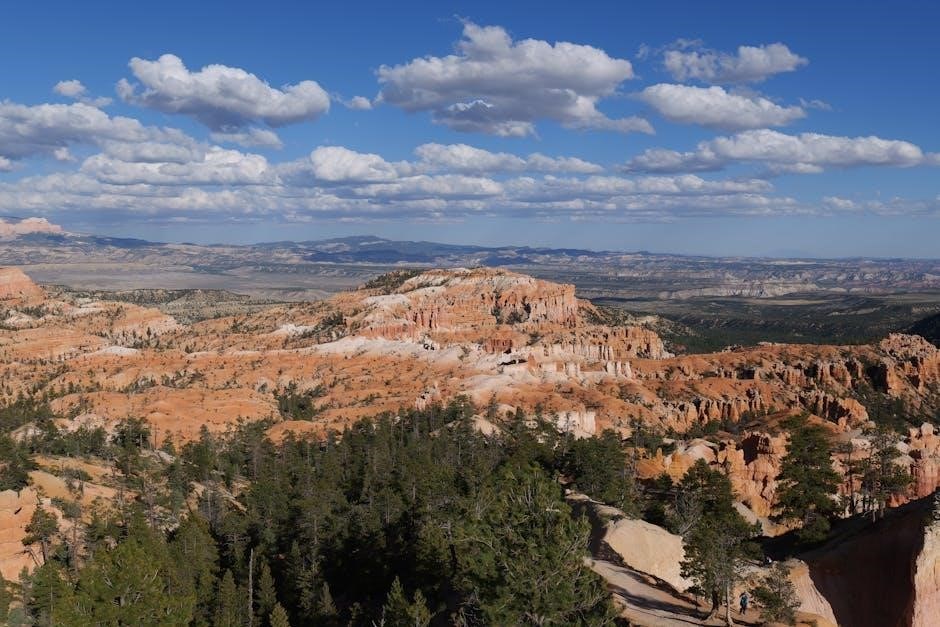
National Geographic provides essential resources for a seamless trip‚ covering optimal timing‚ necessary gear‚ and navigating park passes and associated fees for exploration.
Best Time to Visit National Parks
National Geographic emphasizes that the ideal time to visit US National Parks varies dramatically depending on the specific location and desired experience. Spring and fall often present pleasant temperatures and fewer crowds‚ making them excellent choices for hiking and wildlife viewing.
Summer brings warm weather perfect for water activities‚ but also peak season crowds and potential heat waves. Winter transforms many parks into serene‚ snow-covered landscapes‚ offering unique opportunities for snowshoeing and cross-country skiing‚ though access may be limited due to road closures.
Consider seasonal events like wildflower blooms or fall foliage for enhanced beauty. National Geographic recommends checking park websites for current conditions‚ alerts‚ and ranger-led programs to maximize your visit. Planning ahead based on the season ensures a more enjoyable and safe experience within these natural wonders.
Essential Gear and Packing List
National Geographic advises that proper preparation is crucial for a safe and enjoyable National Park experience. A sturdy backpack‚ comfortable hiking boots (broken in!)‚ and moisture-wicking clothing are fundamental. Layering is key‚ as mountain weather can change rapidly.
Don’t forget essentials like a reusable water bottle or hydration reservoir‚ sunscreen‚ a hat‚ and insect repellent. A first-aid kit‚ including blister treatment‚ is vital. Binoculars enhance wildlife viewing‚ while a camera captures lasting memories.
National Geographic also suggests bringing a headlamp or flashlight‚ a map and compass (and knowing how to use them!)‚ and a portable charger for electronic devices. Depending on the park and season‚ consider rain gear‚ warm layers‚ and bear spray where appropriate. Prioritize lightweight‚ versatile items to minimize pack weight.
National Park Passes and Fees
National Geographic highlights understanding National Park entrance fees and pass options is essential for budget-conscious travelers. Individual park entrance fees typically range from $20 to $35 per vehicle‚ valid for seven days.
However‚ the America the Beautiful Pass – an annual pass costing $80 – provides access to all National Parks and federal recreation lands. This pass is an excellent value for frequent visitors or those planning multiple park trips within a year.
Seniors (62+) can purchase a lifetime Senior Pass for a one-time fee of $80‚ while current U.S. military members and their dependents qualify for a free annual pass. National Geographic recommends checking the official National Park Service website (nps.gov) for the most up-to-date fee information and pass details‚ as prices and policies are subject to change.
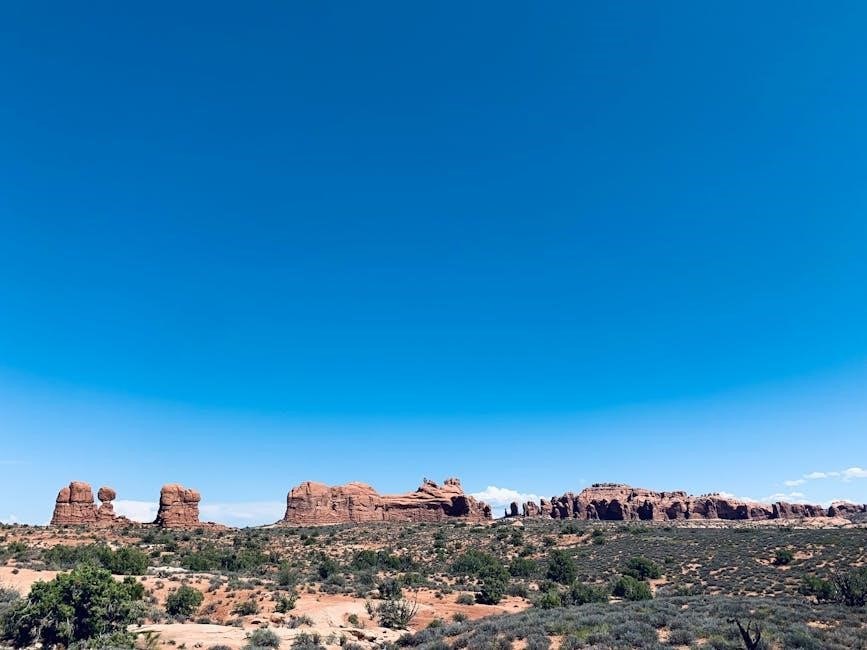
Iconic National Parks of the Western US
National Geographic showcases the West’s majestic parks: Yellowstone’s geysers‚ the Grand Canyon’s depths‚ Yosemite’s granite cliffs‚ and Sequoia’s giant trees—natural wonders await!
Yellowstone National Park: Geysers and Wildlife
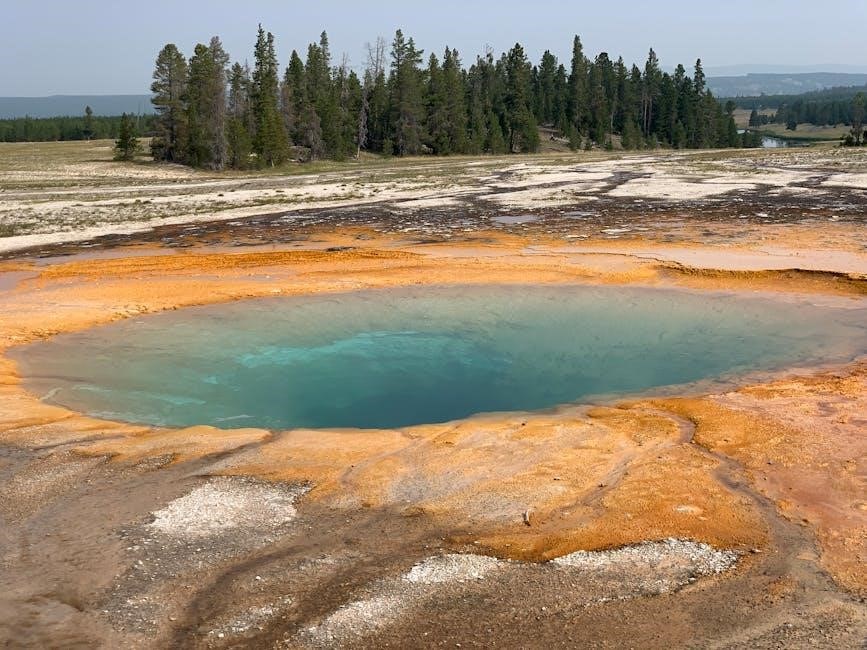
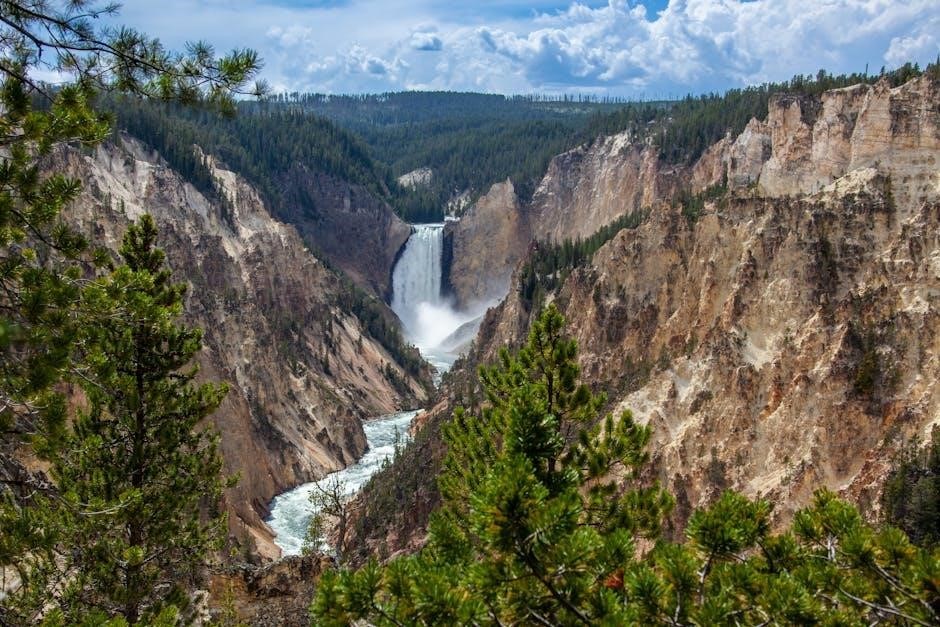
Yellowstone National Park‚ a cornerstone of the American West‚ captivates visitors with its geothermal features and abundant wildlife. National Geographic guides explore Old Faithful’s predictable eruptions and the vibrant Grand Prismatic Spring‚ showcasing the park’s unique hydrothermal activity.
Beyond the geysers‚ Yellowstone teems with life. Bison roam freely‚ elk graze in meadows‚ and wolves and bears inhabit the wilderness. The park provides crucial habitat for these iconic species‚ offering unparalleled wildlife viewing opportunities.
National Geographic emphasizes responsible wildlife observation‚ urging visitors to maintain a safe distance and respect the animals’ natural behaviors. Explore the Hayden Valley for bison sightings‚ or venture into Lamar Valley‚ often called “America’s Serengeti‚” for potential wolf encounters. Discover the park’s diverse ecosystems‚ from forests to rivers‚ and understand the delicate balance that sustains this remarkable landscape.
Grand Canyon National Park: A Geological Wonder
Grand Canyon National Park stands as a testament to the power of erosion and the vastness of geological time. National Geographic expertly details the canyon’s formation‚ revealing layers of rock that chronicle billions of years of Earth’s history. Explore the immense scale of this natural wonder‚ carved by the Colorado River over millennia.
The canyon’s vibrant hues and dramatic cliffs offer breathtaking vistas from both the North and South Rims. National Geographic guides highlight popular viewpoints like Mather Point and Yavapai Point‚ providing insights into the canyon’s geology and ecology.
Descend into the canyon via hiking trails‚ but be prepared for challenging conditions. The park’s diverse ecosystems support a variety of plant and animal life. National Geographic stresses the importance of preparedness‚ including carrying ample water and understanding the risks of extreme temperatures‚ ensuring a safe and enriching experience;
Yosemite National Park: Granite Cliffs and Waterfalls
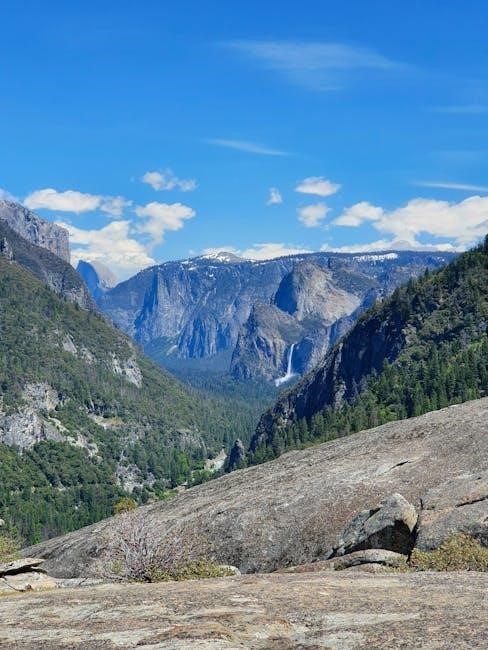
Yosemite National Park‚ a jewel of California’s Sierra Nevada‚ captivates visitors with its towering granite cliffs‚ giant sequoia trees‚ and cascading waterfalls. National Geographic provides comprehensive coverage of this iconic landscape‚ detailing its geological origins and ecological significance.
Marvel at the sheer face of El Capitan‚ a mecca for rock climbers‚ and the delicate beauty of Bridalveil Fall. National Geographic guides highlight popular trails leading to Yosemite Falls‚ North America’s tallest waterfall‚ and the serene meadows of Yosemite Valley.
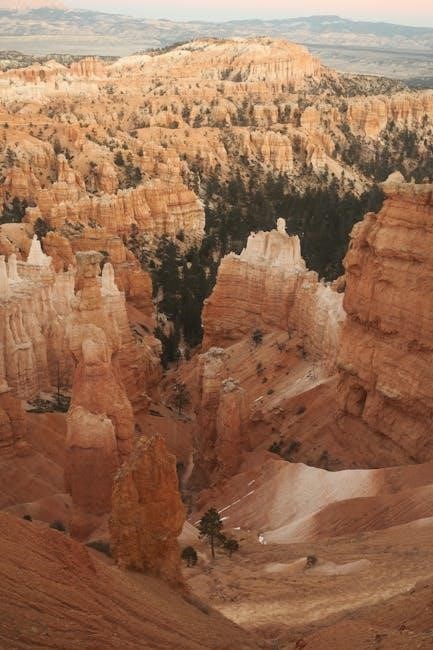
Explore the park’s diverse habitats‚ from lush forests to alpine meadows‚ and discover the abundant wildlife that calls Yosemite home. National Geographic emphasizes responsible visitation‚ encouraging visitors to practice Leave No Trace principles and respect the park’s fragile ecosystem‚ ensuring its preservation for future generations.
Sequoia & Kings Canyon National Parks: Giant Trees
Sequoia & Kings Canyon National Parks‚ nestled in the southern Sierra Nevada mountains of California‚ are renowned for their colossal sequoia trees – the largest living things on Earth. National Geographic expertly guides visitors through these majestic forests‚ revealing the secrets of these ancient giants.
Witness the General Sherman Tree‚ the largest tree by volume‚ and explore the Giant Forest‚ home to numerous other impressive sequoias. National Geographic details the unique adaptations that allow these trees to thrive for thousands of years‚ resisting fire and disease.
Beyond the sequoias‚ discover the dramatic canyons and rugged peaks of Kings Canyon‚ often called “a rival to the Grand Canyon.” National Geographic promotes responsible exploration‚ emphasizing the importance of protecting these fragile ecosystems and respecting the natural wonders they contain.
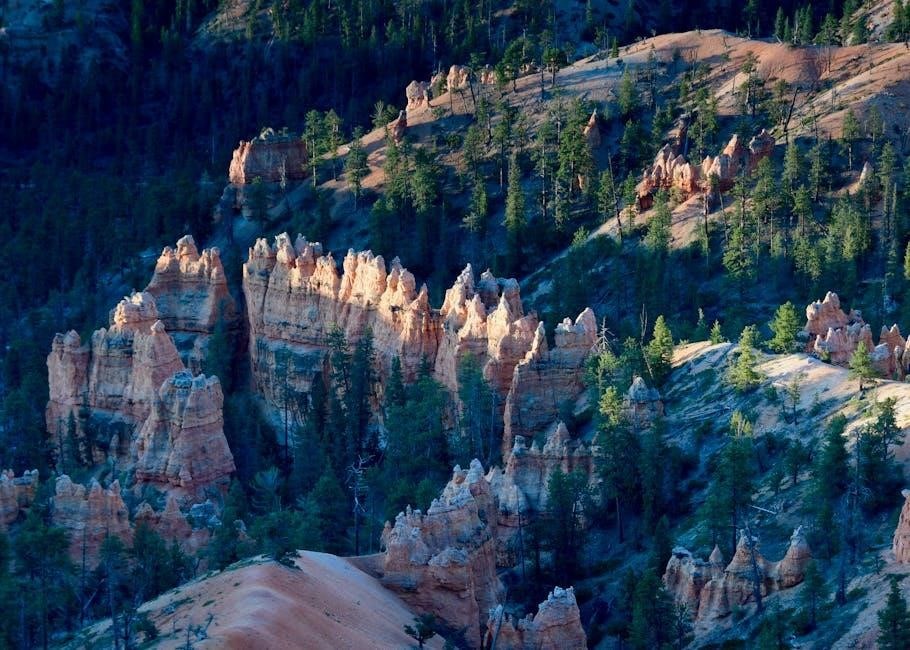
National Parks of the Eastern US
National Geographic showcases the diverse beauty of Eastern parks‚ from Acadia’s rocky coast to the Smokies’ lush forests and the Everglades’ unique wetlands.
Discover rich biodiversity‚ historical landmarks‚ and breathtaking scenery‚ expertly detailed for an unforgettable journey through America’s eastern natural treasures.
Acadia National Park: Coastal Beauty
Acadia National Park‚ nestled along Maine’s rugged coastline‚ presents a stunning blend of granite peaks‚ rocky beaches‚ and woodlands meeting the Atlantic Ocean. National Geographic expertly guides visitors through this captivating landscape‚ highlighting iconic spots like Cadillac Mountain – the first place to see the sunrise in the US.
Explore historic carriage roads‚ perfect for biking and walking‚ and discover hidden coves and dramatic cliffs. The park’s diverse ecosystems support a rich array of wildlife‚ from seabirds to white-tailed deer. National Geographic’s detailed maps and insights reveal the best hiking trails‚ scenic drives‚ and opportunities for kayaking and rock climbing.
Delve into the park’s cultural history‚ shaped by Native American traditions and the legacy of wealthy summer residents. Experience the charm of Bar Harbor‚ a nearby town offering lodging‚ dining‚ and access to whale-watching tours. Acadia truly embodies coastal beauty‚ offering an unforgettable experience for nature enthusiasts and adventurers alike.
Great Smoky Mountains National Park: Biodiversity Hotspot
Great Smoky Mountains National Park‚ straddling North Carolina and Tennessee‚ earns its name from the natural blue haze emanating from the forests. National Geographic showcases this park as a globally significant biodiversity hotspot‚ teeming with an extraordinary variety of plant and animal life. It’s a sanctuary for black bears‚ salamanders‚ and over 100 species of trees!
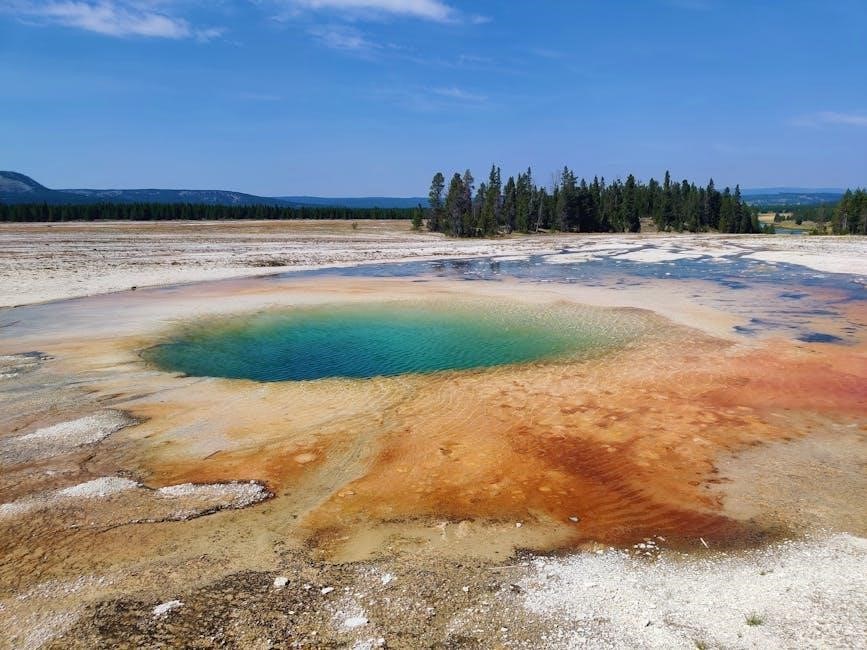
Explore ancient mountains‚ lush forests‚ and cascading waterfalls‚ guided by National Geographic’s detailed trail maps and expert insights. Discover remnants of Appalachian pioneer settlements‚ offering a glimpse into the region’s rich cultural heritage. Hike to Clingmans Dome for panoramic views‚ or wander through wildflower-filled meadows.
The park’s misty mountains create a unique and enchanting atmosphere‚ perfect for photography and nature observation. National Geographic emphasizes responsible exploration‚ encouraging visitors to protect this fragile ecosystem for future generations. Experience the magic of the Smokies – a true treasure of the American wilderness.
Everglades National Park: Unique Ecosystem
Everglades National Park‚ a UNESCO World Heritage site in Florida‚ is a remarkably unique ecosystem – a slow-moving river of grass stretching across the southern portion of the state. National Geographic highlights its incredible biodiversity‚ home to endangered species like the Florida panther‚ American crocodile‚ and West Indian manatee.
Explore this “River of Grass” by airboat‚ kayak‚ or hiking trail‚ guided by National Geographic’s expert recommendations. Discover a vibrant tapestry of sawgrass marshes‚ mangrove forests‚ and coastal prairies. Observe wading birds‚ alligators‚ and a fascinating array of wildlife in their natural habitat.
National Geographic emphasizes the importance of conservation efforts to protect this fragile ecosystem from threats like habitat loss and invasive species. Experience the wild beauty of the Everglades – a truly unforgettable natural wonder‚ and a testament to the power of nature’s resilience.
Tips for Responsible National Park Travel
National Geographic champions preserving park integrity through mindful exploration. Practice “Leave No Trace” principles‚ respect wildlife‚ and minimize your impact for future generations’ enjoyment.
Leave No Trace Principles
National Geographic emphasizes the importance of minimizing our impact on the delicate ecosystems within National Parks. The “Leave No Trace” principles are crucial for responsible exploration and preservation.
Plan Ahead and Prepare: Thoroughly research your destination‚ pack appropriately‚ and be aware of potential hazards.
Travel and Camp on Durable Surfaces: Stick to established trails and campsites to avoid damaging vegetation and soil.
Dispose of Waste Properly: Pack out everything you pack in‚ including trash‚ food scraps‚ and toilet paper. Utilize designated waste receptacles when available.
Leave What You Find: Resist the urge to collect souvenirs like rocks‚ plants‚ or artifacts. Observe and appreciate nature as it is.
Minimize Campfire Impacts: Use established fire rings or stoves for cooking. Keep fires small and contained‚ and ensure they are completely extinguished before leaving.
Respect Wildlife: Observe animals from a distance‚ never feed them‚ and store food securely to prevent attracting them to campsites.
Be Considerate of Other Visitors: Minimize noise levels‚ yield to others on trails‚ and respect the peace and tranquility of the park.
Wildlife Safety in National Parks
National Geographic stresses prioritizing safety when encountering wildlife in National Parks. These magnificent creatures are best admired from a respectful distance‚ ensuring both your well-being and theirs.
Bear Safety: In bear country‚ carry bear spray‚ store food properly in bear-resistant containers‚ and make noise while hiking to avoid surprise encounters.
Large Mammal Awareness: Maintain a safe distance from elk‚ bison‚ and other large mammals. Never approach or attempt to feed them‚ as they can be unpredictable.
Reptile and Insect Precautions: Be aware of snakes‚ scorpions‚ and stinging insects. Wear appropriate clothing and footwear‚ and check for ticks after spending time outdoors.
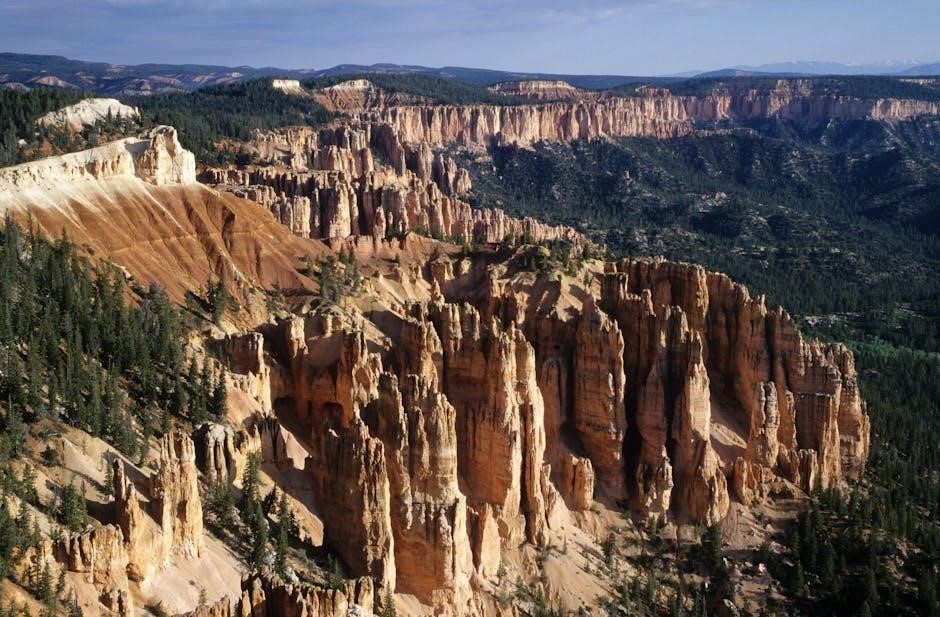
Bird Safety: Avoid disturbing nesting birds and their habitats. Observe them from afar and refrain from feeding them.
General Guidelines: Never approach‚ harass‚ or attempt to touch any wildlife. Report any aggressive or unusual animal behavior to park rangers.
Remember‚ you are a visitor in their home. Respecting wildlife is crucial for preserving the natural integrity of National Parks and ensuring a safe experience for all.