
Welcome to the ICU fundamentals guide, crafted for nursing staff stepping into critical care. It outlines core principles, patient safety, and essential skills, offering concise explanations and practical checklists to support confident, compassionate care in high‑pressure environments. Learn more inside.
Purpose and Scope of the ICU Manual
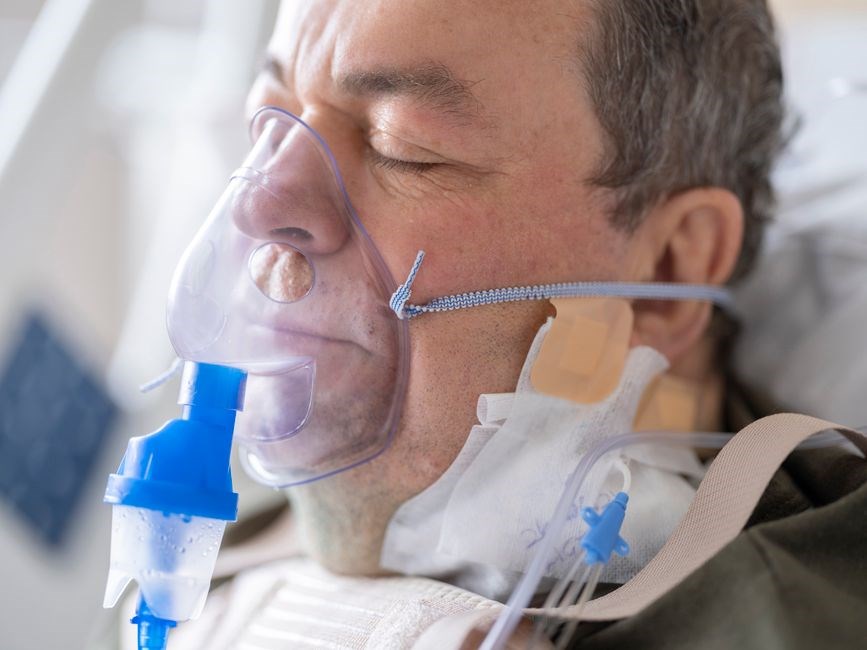
The ICU Basics for Nurses PDF serves as a foundational reference for nursing professionals entering or refreshing their critical care knowledge. Its purpose is to distill complex ICU concepts into clear, actionable guidance that supports safe, evidence‑based practice. The manual covers essential topics such as patient assessment, monitoring, basic interventions, sedation principles, infection control, and documentation standards, providing a concise yet comprehensive overview suitable for bedside application.
Scope-wise, the guide is designed for acute care settings, offering a practical framework that aligns with national ICU competency standards. It is intended for use by registered nurses, nurse practitioners, and allied health staff who require a quick, reliable resource to reinforce core ICU skills and promote consistent, high‑quality patient care. The PDF format ensures portability and easy distribution across units, facilitating continuous learning and reference at the point of care.
In addition, the manual emphasizes the importance of interdisciplinary collaboration, encouraging nurses to engage with physicians, pharmacists, respiratory therapists, and dietitians to formulate individualized care plans. It highlights key protocols for rapid response, ventilator weaning, and early mobilization, while underscoring the necessity of maintaining a calm, organized environment to mitigate stress for both patients and staff.
Readers are encouraged to download the protocols daily.

Key Roles and Responsibilities of ICU Nurses
ICU nurses serve as the frontline guardians of critically ill patients, orchestrating a complex blend of assessment, intervention, and continuous monitoring. Their day begins with rapid triage, evaluating vital signs, and interpreting arterial blood gases to guide ventilator adjustments that maintain optimal oxygenation and ventilation. They administer medications—sedatives, analgesics, vasopressors, and antibiotics—according to evidence‑based protocols while vigilantly watching for adverse reactions.
Beyond pharmacologic management, nurses perform essential invasive procedures such as central line placement, arterial line insertion, and emergency airway management, often collaborating with respiratory therapists and physicians to ensure patient stability. They uphold strict aseptic technique, preventing catheter‑associated infections and implementing early mobilization protocols to counter ICU‑acquired weakness. Their documentation in electronic health records is meticulous, providing real‑time data that supports interdisciplinary communication and quality improvement initiatives.
ICU nurses also play a pivotal role in patient education and family support, demystifying complex medical jargon and fostering trust. They monitor for delirium, using validated tools, and implement non‑pharmacologic strategies to reduce agitation. Their involvement in morbidity and mortality conferences, data audits, and protocol revisions drives continuous quality improvement, ensuring that care standards evolve with emerging evidence.
These duties ensure safety!
Essential ICU Equipment and Technology Overview
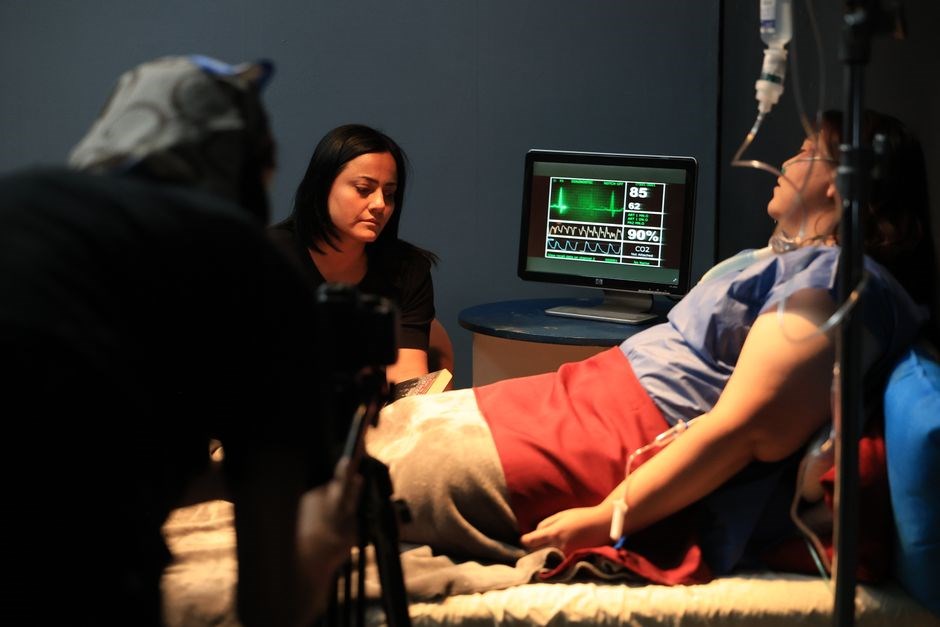
In the ICU, nurses rely on a suite of sophisticated devices that translate physiological data into actionable insights. The cornerstone is the mechanical ventilator, which delivers precise tidal volumes, inspiratory pressures, and PEEP settings to maintain adequate gas exchange while minimizing barotrauma. Adjacent to the ventilator, the bedside monitor continuously graphs heart rate, rhythm, arterial pressure, SpO2, and capnography, providing a real‑time snapshot of cardiovascular and respiratory status. Integrated infusion pumps administer vasoactive drugs, sedatives, and antibiotics with micro‑precision, allowing titration to the patient’s dynamic needs.
Ultrasound machines enable point‑of‑care imaging for vascular access, cardiac function, and lung ultrasound, guiding interventions without radiation exposure. Advanced imaging, such as portable X‑ray and bedside CT protocols, supports rapid diagnosis of complications like pneumothorax or pulmonary embolism. The electronic health record (EHR) integrates all these data streams, enabling trend analysis and alerting nurses to deviations from baseline. Other critical tools include the defibrillator for arrhythmia management, the infusion set with anti‑kink features, and the closed‑loop systems that adjust ventilator parameters based on real‑time CO2 levels. Together, these technologies form a cohesive ecosystem that empowers ICU nurses to deliver precise, timely, and patient‑centered care.
Continuous education and simulation training keep ICU nurses adept at evolving protocols, ensuring optimal patient outcomes daily.

Common ICU Interventions and Procedures
In the ICU, nurses perform a wide range of time‑critical interventions that demand precision, teamwork, and rapid decision‑making. The most common procedures include endotracheal intubation, where a cuffed tube secures the airway and facilitates mechanical ventilation; central venous catheter placement, which provides reliable access for vasoactive agents, nutrition, and hemodynamic monitoring; and arterial line insertion, allowing continuous blood pressure measurement and frequent blood gas sampling. Chest tube insertion for pneumothorax or pleural effusion drainage is another routine skill, demanding aseptic technique and careful monitoring of lung expansion. Vascular access for large‑volume resuscitation, such as peripherally inserted central catheters (PICC), is often performed in patients who cannot tolerate central lines. Nurses also administer rapid‑sequence medication boluses, perform bedside ultrasound for cardiac tamponade or volume assessment, and manage emergency airway adjuncts like supraglottic devices. Cardiopulmonary resuscitation (CPR) protocols are reviewed daily, ensuring that chest compressions, defibrillation, and advanced airway management are executed within the critical first minutes. Routine blood sampling, glucose monitoring, and continuous infusion adjustments are integral to maintaining metabolic stability. Each intervention is guided by evidence‑based checklists, and nurses collaborate closely with physicians, respiratory therapists, and pharmacists to optimize timing, dosage, and patient safety. Mastery of these procedures not only improves patient outcomes but also reinforces the ICU team’s capacity to respond swiftly to evolving clinical scenarios.
Monitoring and Assessment in the ICU Setting
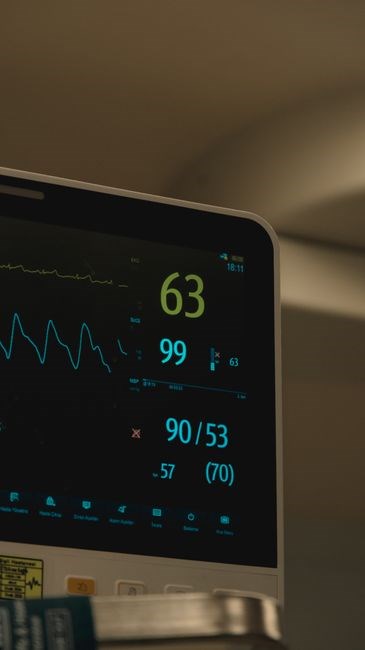
Monitoring in the ICU is a continuous, data‑driven process that informs every clinical decision. Nurses review bedside monitors displaying heart rate, rhythm, arterial pressure, and oxygen saturation, with alarms set to flag deviations from baseline. Continuous ECG tracing detects arrhythmias, ischemia, or conduction blocks early, prompting timely therapy. Hemodynamic status is assessed via arterial line waveforms and central venous pressure, supplemented by dynamic indices such as pulse pressure variation to guide fluid resuscitation and vasoactive drugs. Respiratory parameters—tidal volume, peak airway pressure, and minute ventilation—are evaluated alongside arterial blood gases to titrate oxygen and ventilation strategies. Temperature, urine output, and lactate levels provide insight into perfusion and metabolic derangements. Neurologic assessment follows the Glasgow Coma Scale and pupillary checks, while sedation depth is measured with the Richmond Agitation–Sedation Scale. Bedside ultrasound increasingly aids cardiac function, volume status, and lung aeration assessment, integrating findings into the care plan. Documentation follows standardized templates in the electronic health record, ensuring continuity across shifts and facilitating interdisciplinary communication. Regular interdisciplinary rounds review monitoring data, enabling prompt adjustments to medication, fluid strategy, and ventilator settings, thereby improving patient outcomes in the high‑stakes ICU environment. Continuous quality improvement initiatives, such as simulation training, audit‑feedback loops, and real‑time analytics, enhance staff competence and patient safety across the ICU and reduced complications

Sedation, Analgesia, and Patient Comfort Strategies
Effective sedation and analgesia are cornerstones of ICU care, aiming to reduce anxiety, prevent ventilator dyssynchrony, and protect the patient’s neuro‑physiological integrity. Nurses administer agents such as propofol, dexmedetomidine, or midazolam, titrating to the desired depth measured by the Richmond Agitation–Sedation Scale (RASS). Analgesia is guided by the Critical‑Care Pain Observation Tool (CPOT) or Behavioral Pain Scale (BPS), ensuring pain scores remain below threshold while avoiding overmedication. Continuous infusion pumps deliver precise drug rates, and nurses monitor for side‑effects—hypotension, bradycardia, or respiratory depression—adjusting doses accordingly. Comfort strategies extend beyond pharmacology: repositioning every two hours, maintaining head‑of‑bed elevation, and providing earplugs or eye masks mitigate environmental stressors. Skin integrity is preserved with regular pressure‑area assessment and use of silicone‑based dressings. Oral hygiene and suctioning reduce mucosal dryness and infection risk. Family presence, when possible, offers emotional support and can lower sedation needs. Documentation follows a structured format, recording drug names, doses, infusion rates, RASS scores, CPOT/BPS values, and any interventions taken. Interdisciplinary collaboration with pharmacists, respiratory therapists, and physical therapists ensures a holistic approach, balancing sedation depth, analgesia adequacy, and early mobilization to promote recovery and shorten ICU stay.
Nutrition, Hydration, and Metabolic Support in the ICU
In critical care, maintaining adequate nutrition and fluid balance is essential for recovery. Nurses assess caloric needs using predictive equations or indirect calorimetry, then prescribe enteral or parenteral nutrition accordingly. Enteral feeding is preferred, initiated within 24–48 h, with continuous or bolus protocols, and monitored for tolerance (gastric residuals, abdominal distension). Parenteral nutrition is reserved for contraindications to enteral feeding, ensuring lipid, amino‑acid micronutrient ratios match patient requirements. Daily fluid balance charts track input, output, insensible losses, and diuretic use. Electrolyte monitoring (sodium, potassium, magnesium, phosphate) prevents arrhythmias and neuromuscular dysfunction; supplementation is guided by serial labs. Metabolic support includes glucose control with insulin infusions, targeting 140–180 mg/dL to reduce infection risk while avoiding hypoglycemia. Trace elements and vitamins are added per protocol, and protein requirements are increased to 1.2–2.0 g/kg/day for catabolic patients. Nurses collaborate with dietitians, pharmacists, and physicians to adjust plans based on clinical status, lab trends, and nutritional markers such as pre‑albumin or nitrogen balance. Regular reassessment ensures that caloric delivery meets energy expenditure, fluid status remains euvolemic, and metabolic derangements are corrected promptly, thereby supporting wound healing, immune function, and overall patient stability.
Infection Prevention and Control Practices
In the ICU, preventing healthcare‑associated infections (HAIs) is a cornerstone of patient safety. Nurses enforce hand hygiene with alcohol rubs or soap before every patient interaction, after glove removal, and after contact with bodily fluids. Personal protective equipment (PPE) is chosen based on exposure risk: gowns, gloves, masks, and eye protection for aerosol‑generating procedures or when caring for patients with transmissible pathogens. Environmental cleaning follows a strict schedule; high‑touch surfaces are disinfected with EPA‑registered agents, and equipment is sterilized or single‑use when appropriate. Catheter‑associated bloodstream infection (CLABSI) rates are reduced by using maximal barrier precautions during insertion, maintaining catheter sites with chlorhexidine, and removing unnecessary lines promptly. Ventilator‑associated pneumonia (VAP) prevention includes elevating the head of the bed to 30–45°, performing oral care with chlorhexidine, and daily sedation vacations to assess readiness for extubation. Central line bundles, ventilator bundles, and catheter care bundles are documented in the electronic health record to ensure compliance. Antimicrobial stewardship programs guide appropriate antibiotic selection and duration, minimizing resistance development. Nurses monitor for early signs of infection—fever, leukocytosis, or changes in vital signs—and report promptly to the care team. Education sessions reinforce protocols, and audit‑feedback loops identify gaps for continuous improvement. By integrating these evidence‑based practices, ICU teams create a culture of safety that protects both patients and staff from preventable infections. Regular audits of hand‑washing compliance and equipment sterilization protocols reinforce accountability and drive continuous quality improvement across the unit. Staff education on emerging pathogens and updated isolation guidelines ensures readiness to adapt practices swiftly in response to evolving threats. Team collaboration remains essential.
Patient Safety and Quality Improvement in the ICU
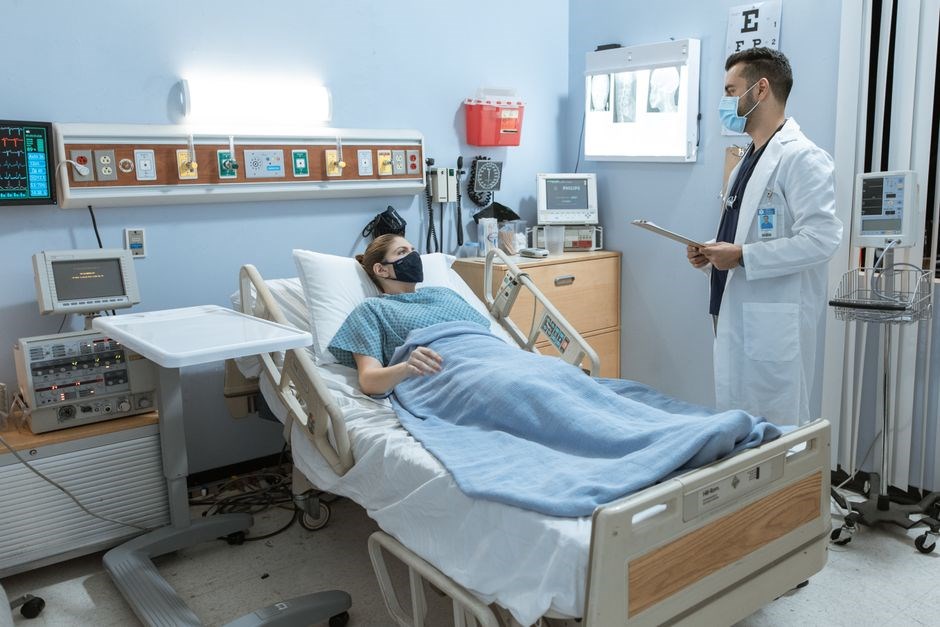
In critical care, patient safety hinges on systematic processes that transform clinical practice into predictable, high‑quality outcomes. Nurses lead safety initiatives by applying the “five rights” of medication, verifying orders, and using checklists before invasive procedures. Real‑time data from bedside monitors are interpreted within the context of the patient’s baseline, allowing early detection of deterioration and timely escalation. Structured hand‑off tools, such as SBAR, ensure continuity during shift changes, reducing communication errors. Incident reporting systems capture near‑misses and adverse events, feeding into root‑cause analyses that identify system gaps. Multidisciplinary rounds focus on goals of care, pain control, and delirium prevention, aligning interventions with evidence‑based protocols. Continuous quality improvement (CQI) projects—like bundle compliance audits for CLABSI, VAP, and pressure ulcer prevention—are tracked through dashboards, with feedback loops that drive practice change. Simulation training enhances team coordination during emergencies, fostering shared mental models. Patient‑centered metrics, such as satisfaction scores and readmission rates, guide resource allocation and staff education. Lean methodologies streamline workflow, eliminating waste and improving response times. Audits of hand hygiene, PPE use, and equipment sterilization reinforce adherence to infection control standards. By embedding safety culture into daily routines, ICU teams create resilient systems that adapt to evolving challenges, ultimately elevating patient outcomes and fostering trust among caregivers and families. Quality improvement also involves benchmarking against national standards, such as those set by the Society of Critical Care Medicine and the Centers for Medicare & Medicaid Services. By comparing unit metrics to peer institutions, nurses identify best practices and implement targeted interventions. Engaging patients and families in safety conversations—through education about medication schedules, fall prevention, and early mobilization—empowers them to act as partners in care. Documentation accuracy is verified through periodic chart audits, ensuring that all interventions, assessments, and outcomes are recorded in the electronic health record. Training modules on error prevention, cognitive biases, and decision‑making are offered quarterly to reinforce safe practice. Finally, leadership supports a non‑punitive environment where staff feel comfortable reporting mistakes, fostering continuous learning and improvement across the ICU ecosystem. All initiatives are reviewed annually to sustain momentum and adapt to emerging evidence.
Documentation Standards and Electronic Health Records
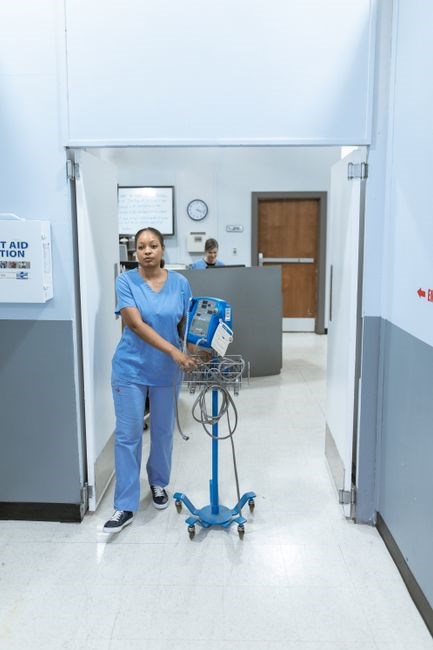
Documentation in the ICU is a critical safety net that supports patient care, legal accountability, and quality metrics. Nurses must record vital signs, interventions, and responses within the first 15 minutes of admission and at every shift change, following Joint Commission Core Measures. Electronic Health Records (EHR) use structured templates that capture hemodynamic status, ventilator settings, sedation scores, nutrition orders, and medication details. Mandatory fields prevent omission of essential data, while time‑stamped entries create audit trails that verify accountability. Standardized terminology—SNOMED CT, LOINC, ICD‑10—ensures interoperability and accurate billing. Documentation should reflect the “five rights” nursing care: right patient, right information, right time, right documentation, right handover. Narrative notes for complex reasoning must be concise, focused, and linked to clinical decisions. Voice‑to‑text dictation speeds updates, but transcription accuracy requires double‑checking. Regular EHR training keeps staff current on modules, compliance, and privacy safeguards. Audit reports should be reviewed quarterly; discrepancies trigger root‑cause analysis and targeted education. HIPAA compliance demands encrypted data, secure login, and limited access. Medication orders must include dosage, route, frequency, and monitoring parameters. Adverse events and near‑miss incidents are documented in the incident module, linked to the chart for traceability. Patient‑centered documentation supports decision‑making, days care.
Education, Training, and Continuing Professional Development
ICU nursing education blends theory with hands‑on simulation, ensuring staff master skills before patient contact. Core curricula cover pathophysiology, airway management, monitoring, and infection control. Clinical rotations in high‑acuity units provide real‑world exposure under seasoned mentors. Simulation labs replicate ventilator crises, cardiac arrest, and sepsis protocols, allowing nurses to practice assessment and intervention in a safe environment. Competency is verified through examinations (OSCEs) and skill checklists that align with Joint Commission standards.
Continuing professional development (CPD) is required, with annual hours by state boards and accreditation bodies. Loops from bedside performance and simulation debriefs inform curriculum updates. EHR training ensures documentation and data analytics use. Societies provide certification exams (e.g., CCRN, BSCN) that validate and open doors to leadership roles.
Education not only meets regulatory mandates but also drives innovation, patient safety, and elevates within critical care settings.
Additional Resources and Reference Materials
ICU Basics for Nurses PDF offers a concise, evidence‑based primer. Accessible via the QR code or direct link on the training portal, it compiles key topics from the National Manual on Basic ICU Skills, including airway management, hemodynamic monitoring, and infection control. Complementary resources include the American Association of Critical‑Care Nurses (AACN) Clinical Practice Guidelines, the Society of Critical Care Medicine (SCCM) Core Curriculum, and the Intensive Care Medicine textbook by Arora and Laha, which provides in‑depth physiology and case studies. Online modules from the Institute for Healthcare Improvement (IHI) and simulation videos on the Critical Care Simulation Network further reinforce practical skills. For continuing education, the AACN’s Certified Critical Care Nurse (CCCN) program and the Society of Critical Care Medicine’s Continuing Medical Education (CME) credits offer structured learning paths. All materials are updated annually to reflect evolving standards and emerging technologies in critical care.
Online repositories such as the Critical Care Nursing Journal, the Society of Critical Care Medicine’s eLearning portal, and the American Thoracic Society’s Clinical Practice Guidelines offer up‑to‑date evidence. Webinars by AACN and SCCM provide CME credits and expert discussions. Peer‑reviewed articles on PubMed and Cochrane Library give nurses evidence‑based insights for daily practice. Stay current with these resources for practice!OK