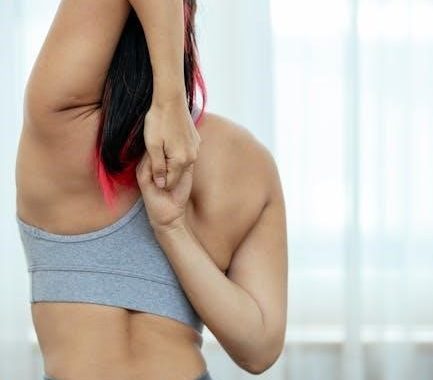
Embark on a transformative journey with a 60-minute power yoga sequence, designed to build strength, flexibility, and mental clarity. This practice, rooted in vinyasa flow,
offers a dynamic and invigorating experience, suitable for intermediate practitioners seeking a challenging yet accessible workout.
What is Power Yoga?
Power Yoga, a vigorous and athletic form of yoga, evolved from Ashtanga Yoga, but offers more freedom in sequencing. Unlike traditional Ashtanga’s fixed series, Power Yoga classes vary, allowing instructors to creatively blend poses and flows. This dynamic style emphasizes building strength, endurance, and flexibility through continuous movement synchronized with breath – a core principle of vinyasa.
A typical 60-minute Power Yoga session, like those readily available as a “60 minute power yoga sequence pdf”, focuses on linking poses together, creating a flowing, almost dance-like experience. Expect to hold poses for shorter durations than in some other yoga styles, with a greater emphasis on transitions. It’s a fantastic workout that challenges both the body and mind, promoting detoxification and increased energy levels. Buckminsterfullerene C60, while unrelated to the practice itself, exemplifies the complex structures achievable through focused energy – much like a well-executed Power Yoga flow!
Benefits of a 60-Minute Practice
A dedicated 60-minute Power Yoga practice yields a wealth of physical and mental benefits. Physically, expect increased strength, particularly in the core, arms, and legs, alongside improved flexibility and cardiovascular health. The continuous movement generates heat, aiding detoxification and boosting metabolism. Regularly following a “60 minute power yoga sequence pdf” can enhance balance, coordination, and body awareness.
Beyond the physical, Power Yoga is a powerful stress reliever. The focus on breathwork (pranayama) calms the nervous system, reducing anxiety and promoting mental clarity. It cultivates mindfulness, encouraging a deeper connection between mind and body. Like the stability of a truncated icosahedron (as seen in C60 buckyballs), a consistent practice builds inner resilience; Even amidst external pressures, such as news cycles covered by 60 Minutes, yoga provides a grounding and centering force.
Understanding Vinyasa Flow
Vinyasa, the foundation of a “60 minute power yoga sequence pdf”, is characterized by a dynamic linking of breath to movement. Each pose seamlessly transitions into the next, creating a flowing, almost dance-like quality. Unlike static holding poses, Vinyasa emphasizes continuous motion, building internal heat and promoting detoxification. This style demands presence and mindful attention to the breath, acting as an anchor throughout the practice.
A typical Vinyasa sequence often includes Sun Salutations, standing poses, and floor work, all connected by transitional movements. Modifications are readily available to accommodate all levels, ensuring accessibility. Just as Anderson Cooper navigates complex stories on 60 Minutes, practitioners adapt poses to their individual needs. The flow isn’t about achieving perfect form, but about the journey of movement and breath, fostering a meditative state and cultivating inner peace.
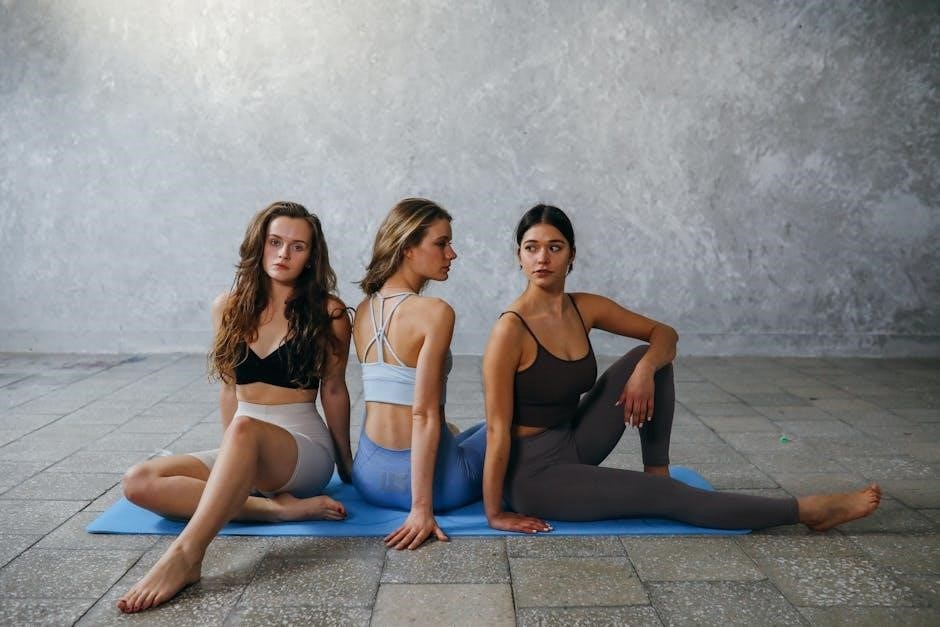
Warm-up (5-10 Minutes)
Begin with gentle movements to prepare the body for a “60 minute power yoga sequence pdf”. Focus on increasing blood flow and range of motion, easing into the practice.
Sun Salutations (Surya Namaskar) ー Variations
Sun Salutations are the cornerstone of many vinyasa flows, including a “60 minute power yoga sequence pdf”. Begin with traditional Surya Namaskar A, synchronizing breath with movement – inhale to extend, exhale to fold. Gradually introduce variations to deepen the practice. Try adding Chair Pose (Utkatasana) between Forward Fold and Backbend, intensifying the leg work.
Explore variations like Halfway Lift (Ardha Uttanasana) with a flat back, focusing on core engagement. For a more challenging flow, incorporate a Chaturanga Dandasana (low plank) before Upward-Facing Dog. Modify as needed; knees can be bent in Forward Fold, and Upward-Facing Dog can be replaced with Cobra Pose (Bhujangasana). Complete 3-5 rounds, building heat and preparing the muscles for more demanding poses. Remember to maintain a steady breath throughout each sequence.
Cat-Cow Pose (Marjaryasana to Bitilasana)
Following Sun Salutations in a “60 minute power yoga sequence pdf”, transition into Cat-Cow Pose. This gentle, flowing movement warms the spine and prepares it for deeper backbends and twists. Begin on your hands and knees, aligning wrists under shoulders and knees under hips.
Inhale as you drop your belly towards the floor, arching your back into Cow Pose (Bitilasana), lifting your chest and gaze. Exhale, rounding your spine towards the ceiling into Cat Pose (Marjaryasana), tucking your chin to your chest. Continue flowing between these two poses for 5-10 breaths, coordinating movement with your breath. Focus on articulating each vertebra, creating a wave-like motion through the spine. This pose enhances spinal mobility and relieves stress.
Thread the Needle Pose (Urdhva Mukha Paschimottanasana Variation)
Integrating seamlessly into a “60 minute power yoga sequence pdf”, Thread the Needle offers a soothing counterpose. From tabletop position, inhale and extend your right arm towards the ceiling. Exhale, and thread your right arm under your left arm, bringing your right shoulder and ear towards the mat.
Keep your hips lifted and your left arm extended overhead, or wrap it around your waist for a deeper stretch. Hold for 5-10 breaths, focusing on opening the shoulders and upper back. Repeat on the other side. This pose gently releases tension in the spine and shoulders, promoting relaxation. Modifications include keeping the hips higher or using a blanket under the shoulder for support. It’s a wonderful way to calm the nervous system.
Standing Poses (20-25 Minutes)
Transition into a powerful phase with standing poses, building leg strength and balance. Warrior poses, Triangle, and Extended Side Angle will dynamically engage your core and legs.
Warrior I, II, and III (Virabhadrasana I, II, III)
Begin with Warrior I (Virabhadrasana I), grounding through both feet and extending arms overhead, opening the chest. Hold for five breaths, focusing on a deep lunge and core engagement. Then, flow into Warrior II (Virabhadrasana II), opening the hips and extending arms parallel to the floor, gazing over the front hand.
Maintain a strong, stable stance for five breaths on each side. Finally, challenge your balance with Warrior III (Virabhadrasana III), extending the torso forward while lifting the back leg, creating a “T” shape. Focus on maintaining a flat back and engaged core.
Warrior III requires concentration and control; modifications include using a block under the hands or keeping a slight bend in the lifted leg. Repeat the sequence on both sides, building strength and stability with each repetition. These poses cultivate stamina and focus.
Triangle Pose (Trikonasana)
Transition into Triangle Pose (Trikonasana) from Warrior II, straightening the front leg and reaching forward, then tilting the torso to the side, bringing the front hand towards the shin, ankle, or floor. The top arm extends towards the ceiling, creating a long line of energy. Maintain a slight bend in the front knee to avoid locking it.
Focus on opening the chest and keeping the spine long. Gaze can be directed towards the top hand, or downwards if that’s more comfortable for your neck. Hold for five deep breaths, feeling the stretch along the side body and the inner thighs.
Modifications include using a block under the lower hand for support. This pose improves flexibility, strengthens the legs, and stimulates abdominal organs. Repeat on the opposite side, ensuring equal time and attention to both sides of the body.
Extended Side Angle Pose (Parsvakonasana)
From Warrior II, bend the front knee deeply over the ankle, keeping it aligned with the second toe. Bring the forearm to rest on the front thigh, or reach the hand towards the floor inside or outside of the foot – a block can be used for support. Extend the top arm overhead, reaching towards the front of the room, creating a long line from the back foot to the fingertips.
Keep the torso long and open, avoiding collapsing into the pose. Engage the core and draw the shoulder blades down the back. Breathe deeply, feeling the stretch along the side body, inner thigh, and groin. Hold for five breaths.
This pose strengthens the legs, core, and spine, while also improving balance and flexibility. Repeat on the opposite side, maintaining mindful alignment and breath throughout.
Half Moon Pose (Ardha Chandrasana) ─ Optional
As an advanced pose, Half Moon builds strength, balance, and focus. From Triangle Pose, bend the front knee and place the front hand on the floor, shoulder-width apart. Shift your weight into the front leg and lift the back leg parallel to the floor, rotating the torso open to the side.
Extend the top arm overhead, reaching towards the ceiling, creating a straight line from the bottom hand to the fingertips. Gaze can be upwards, downwards, or forward, depending on comfort. Engage the core and maintain a strong foundation through the standing leg.
Hold for three to five breaths, focusing on stability and breath. This pose requires practice and may be modified with a block under the hand for support. Proceed with caution and listen to your body.
Core Strengthening (10-15 Minutes)
Ignite your inner power with focused core work! This segment utilizes poses like Boat, Plank, and Side Plank to build abdominal strength and spinal stability.
Boat Pose (Navasana) ─ Variations
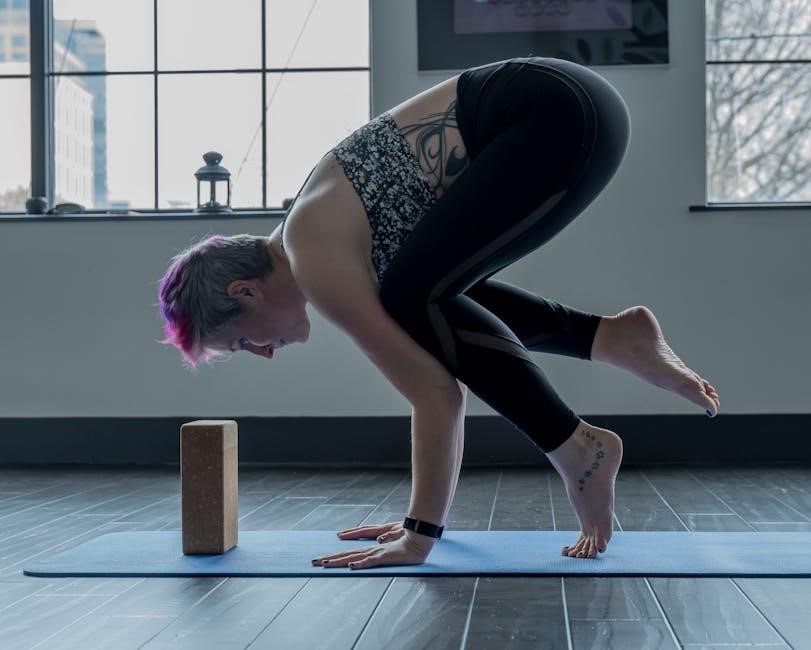
Navasana, or Boat Pose, is a cornerstone of core strengthening in power yoga. Begin with a basic Boat Pose – seated with knees bent, feet lifted, and arms extended forward. Maintain a straight spine and engage your abdominal muscles. To deepen the pose, gradually straighten your legs, increasing the challenge to your core.
For beginners, keep your knees bent and hands behind your thighs for support. Intermediate practitioners can explore lowering the upper body slightly towards the legs, maintaining core engagement. Advanced yogis can attempt a full Boat Pose with straight legs and arms parallel to the floor.
Variations include low boat (reclining slightly back), and boat pose with a twist, adding an oblique challenge. Remember to breathe deeply throughout the practice, and modify as needed to protect your lower back. Holding Boat Pose builds core stability, improves balance, and strengthens the hip flexors.
Plank Pose (Phalakasana) ─ Modifications
Phalakasana, or Plank Pose, is a foundational pose for building upper body and core strength. Maintaining proper form is crucial to prevent injury. Begin with hands shoulder-width apart, directly under your shoulders, and body forming a straight line from head to heels. Engage your core, squeeze your glutes, and avoid letting your hips sag or rise.
For beginners, modify by dropping your knees to the floor, maintaining a straight line from head to knees. This reduces the intensity while still engaging the core. Intermediate practitioners can focus on drawing the navel towards the spine and broadening across the collarbones.
Advanced yogis can explore variations like side plank or plank with leg lifts. Remember to breathe deeply and maintain a neutral spine. If you experience wrist pain, distribute weight evenly across your hands or use fists. Plank pose strengthens the arms, shoulders, core, and improves posture.
Side Plank (Vasisthasana)
Vasisthasana, or Side Plank, is an excellent pose for strengthening the obliques, core, and wrists. Begin by lying on your side, with your elbow directly under your shoulder and legs extended. Lift your hips off the floor, creating a straight line from head to feet. Engage your core and maintain a steady breath.
Modifications are key for all levels. Beginners can bend their bottom knee for added support, reducing the intensity. Intermediate practitioners can focus on lifting the top leg or reaching the top arm towards the ceiling. Advanced yogis can attempt variations like revolved side plank.
Ensure your shoulder remains stacked over your elbow, and avoid collapsing into the shoulder. Keep your gaze forward or slightly upward. Side plank improves balance, stability, and core strength, contributing to a stronger, more aligned physique. Remember to repeat on both sides.
Reverse Table Top Pose (Purvottanasana)
Purvottanasana, or Reverse Table Top Pose, is a powerful backbend and core strengthener. Begin seated with your knees bent and feet flat on the floor. Place your hands slightly behind your hips, fingers pointing forward. Press into your hands and feet to lift your hips off the floor, creating a table-top shape with your body.
Modifications are crucial for accessibility. Beginners can keep their knees closer to their chest, reducing the intensity. Intermediate practitioners can straighten their arms further, deepening the backbend. Advanced yogis can lift one leg at a time, increasing the challenge.
Maintain a straight line from your knees to your shoulders, and engage your core to protect your lower back. Keep your gaze forward. Reverse Table Top strengthens the back, arms, and wrists, while opening the chest and improving posture.
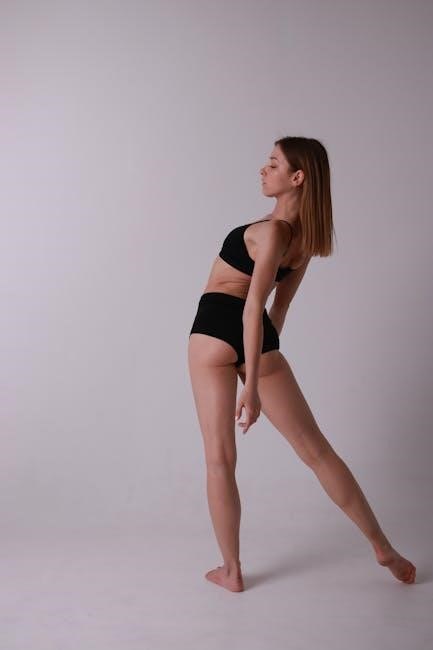
Cool Down & Flexibility (5-10 Minutes)
Transition smoothly with gentle stretches, releasing tension and enhancing flexibility after the dynamic flow. Prioritize mindful breathing during seated forward folds and spinal twists.
Seated Forward Fold (Paschimottanasana)
Paschimottanasana, the seated forward fold, is a cornerstone of cool-down routines, deeply stretching the spine, hamstrings, and shoulders. Begin seated with legs extended forward, feet flexed. Inhale, lengthening the spine, and exhale as you gently hinge from the hips, reaching towards your feet.
Maintain a straight back as much as possible, avoiding rounding. If reaching your feet isn’t accessible, reach for your shins or thighs. Hold the pose for 30-60 seconds, breathing deeply and allowing gravity to assist the stretch.
Modifications include bending your knees slightly or using a strap around your feet. Focus on lengthening, not forcing, the stretch. This pose calms the mind, relieves stress, and improves digestion, preparing the body for final relaxation.
Spinal Twist (Ardha Matsyendrasana)
Ardha Matsyendrasana, or the half spinal twist, is a rejuvenating pose that enhances spinal mobility, stimulates digestion, and relieves back pain. Begin seated with legs extended. Bend your right knee and place the foot outside the left thigh. Twist your torso to the right, placing your left elbow outside the right knee.
Maintain a straight spine and gaze over your right shoulder. Press your hands into the floor for support. Hold for 30-60 seconds, breathing deeply. Repeat on the other side. Modifications include keeping the bottom leg extended or using a block under the seated hip.
This twist detoxifies the body, improves posture, and calms the nervous system, effectively preparing you for the final stage of relaxation and integration within your 60-minute flow.
Bridge Pose (Setu Bandhasana)
Setu Bandhasana, or Bridge Pose, is a gentle backbend that strengthens the spine, glutes, and hamstrings while opening the chest and shoulders. Lie on your back with knees bent and feet flat on the floor, hip-width apart. Press your feet firmly into the ground and lift your hips towards the ceiling.
Engage your core and glutes to maintain the lift. You can interlace your hands underneath your body and draw your shoulder blades together for a deeper chest opening. Hold for 30-60 seconds, breathing deeply and evenly.
This pose counteracts the effects of prolonged sitting and promotes a sense of calm. It’s a wonderful preparation for Savasana, gently releasing tension and preparing the body for complete relaxation within your 60-minute power yoga sequence.

Savasana (Final Relaxation ─ 5 Minutes)
Savasana, or Corpse Pose, is the final, crucial step in your 60-minute power yoga practice, allowing complete integration of the physical and mental benefits achieved.
Benefits of Savasana
Savasana is far more than simply resting at the end of your practice; it’s a profoundly restorative pose with a multitude of benefits. Allowing your body to fully surrender to gravity, Savasana facilitates deep relaxation, reducing stress and anxiety levels. This conscious relaxation lowers blood pressure and heart rate, promoting cardiovascular health.
Furthermore, Savasana allows the nervous system to shift from the sympathetic “fight or flight” response to the parasympathetic “rest and digest” state, aiding in recovery and rejuvenation. It enhances mental clarity and focus, integrating the physical postures with mindful awareness. The pose also encourages the release of tension held deep within the muscles and tissues, improving flexibility and overall well-being.
By dedicating time to Savasana, you amplify the positive effects of your 60-minute power yoga sequence, creating a holistic experience that nourishes both body and mind. It’s a vital component for maximizing the practice’s transformative potential.
Proper Technique for Savasana
To fully experience the benefits of Savasana, proper technique is essential. Lie flat on your back, extending your legs slightly apart and allowing your arms to rest comfortably alongside your body, palms facing upwards. Ensure your spine is neutral, avoiding any forced arching or flattening.
Close your eyes gently and consciously relax each muscle group, starting with your toes and working your way up to your head. Release tension in your jaw, soften your facial muscles, and allow your breath to become natural and effortless. If you experience discomfort, subtly adjust your position, but strive to remain still throughout the duration.
A blanket under your head or knees can provide added support. Resist the urge to fidget or analyze your thoughts; simply observe them without judgment, allowing them to pass. Embrace the stillness and surrender to the present moment, maximizing the restorative power of this final relaxation pose.