air compressor manual

Air Compressor Manual: A Comprehensive Guide

This manual details essential operation‚ safety‚ troubleshooting‚ and maintenance for your air compressor‚ ensuring longevity and optimal performance.

Understanding Your Air Compressor

Air compressors are versatile tools powering numerous applications‚ from inflating tires to operating heavy machinery. Comprehending their function is crucial for safe and efficient use. Essentially‚ an air compressor takes ambient air and reduces its volume‚ increasing pressure‚ and storing it in a tank.

This pressurized air is then available for various pneumatic tools and devices. The compressor cycles on and off‚ maintaining pressure within a pre-set range‚ controlled by a pressure switch. When the tank reaches maximum pressure‚ the switch shuts off the motor; when pressure drops‚ it restarts.

Understanding this basic cycle‚ alongside recognizing key components like the motor‚ tank‚ and pressure switch‚ forms the foundation for effective operation and troubleshooting. Familiarize yourself with your specific model’s capabilities and limitations as outlined in this manual.

Types of Air Compressors

Air compressors come in diverse forms‚ each suited for specific needs. Reciprocating compressors‚ common for home use‚ utilize a piston to compress air‚ offering good power for intermittent tasks. Rotary screw compressors‚ favored in industrial settings‚ provide continuous airflow with higher efficiency and durability.

Oil-lubricated compressors require regular oil changes for optimal performance and longevity‚ while oil-free compressors minimize maintenance but may have a shorter lifespan. Single-stage compressors achieve moderate pressure‚ ideal for basic applications‚ whereas two-stage compressors deliver higher pressure for demanding tasks.

Portable compressors offer convenience‚ while stationary models provide greater capacity. Selecting the right type depends on your intended applications‚ airflow requirements‚ and budget considerations. This manual applies broadly‚ but specific features may vary by compressor type.
Key Components of an Air Compressor

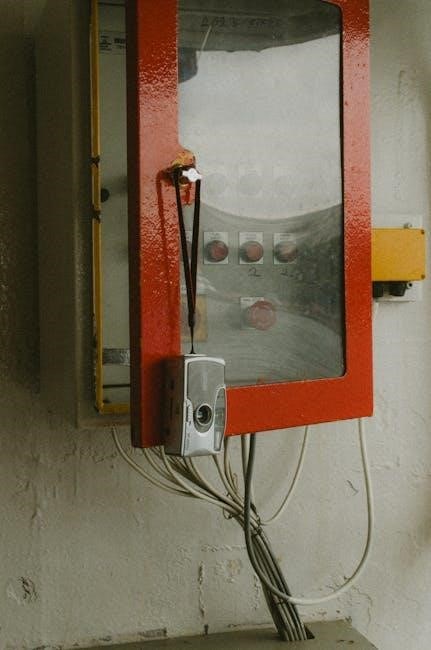
Understanding the core components is crucial for operation and maintenance. The motor provides the power‚ driving the compressor pump which pressurizes the air. The air tank stores compressed air for use‚ while the pressure switch controls the motor‚ maintaining desired pressure levels.
The unloading valve releases pressure during shutdown‚ allowing for easier restarts. An air filter removes contaminants‚ ensuring clean air delivery. A pressure gauge displays tank pressure‚ and a safety valve prevents over-pressurization.

The thermal relay protects the motor from overheating. Proper function of each component is vital; issues with any part can impact performance; Regular inspection and maintenance of these key elements will extend the life of your compressor.

Safety First: Operating Guidelines

Always prioritize safety when operating your air compressor; follow all instructions‚ wear appropriate protection‚ and ensure proper ventilation for safe usage.

Essential Safety Precautions

Before operation‚ thoroughly read and understand this manual‚ paying close attention to all warnings and safety guidelines. Never operate a damaged compressor; inspect hoses‚ fittings‚ and the tank regularly for wear or leaks. Always disconnect the power supply before performing any maintenance or repairs. Wear safety glasses and ear protection during operation to prevent injury from flying debris and loud noise.

Ensure the compressor is grounded to prevent electrical shock. Never alter the pressure switch or safety valve settings. Avoid spraying flammable liquids with compressed air. Keep the work area clean and well-lit to prevent accidents. Be mindful of noise levels and use hearing protection accordingly. Never leave the compressor unattended while running. Regularly drain the tank to prevent rust and corrosion‚ and always release air pressure before storage.

Proper Ventilation and Noise Levels

Air compressors generate heat and noise during operation‚ necessitating adequate ventilation and hearing protection. Position the compressor in a well-ventilated area‚ free from obstructions to airflow‚ ensuring sufficient space around the unit for cooling. Avoid operating the compressor in enclosed spaces without proper exhaust systems. Prolonged exposure to high noise levels can cause hearing damage; therefore‚ always wear appropriate ear protection‚ such as earplugs or earmuffs.

Consider the compressor’s noise rating when selecting a location. Regularly inspect the air inlet grille for dust and debris‚ cleaning it as needed to maintain airflow. Be aware that excessive heat can reduce compressor efficiency and lifespan. Monitor the motor for overheating and address any issues promptly. Ensure proper air intake to prevent damage to surrounding components.

Troubleshooting Common Issues

Diagnosing problems like failure to start‚ pressure switch malfunctions‚ or motor overheating is crucial for maintaining compressor functionality and preventing further damage.

Compressor Won’t Start: Potential Causes

Several factors can prevent your air compressor from starting. First‚ verify power supply and check the circuit breaker. A seized compressor motor is a serious issue; attempt manual rotation (with power OFF!) to assess. A faulty starting capacitor‚ vital for initiating motor rotation‚ could be the culprit – especially in older models.

The pressure switch‚ responsible for controlling the motor based on tank pressure‚ might be defective. It should bleed air when shutting off. Inspect the unloading valve‚ connected to the pressure switch‚ ensuring it releases pressure to allow restart without load.

Repeatedly attempting to start against pressure risks motor damage‚ triggering the thermal relay. If the relay clicks on/off‚ it indicates overheating and excessive current draw. Address the underlying cause before further attempts. Lack of pressure and a non-starting motor suggest a seized unit or capacitor failure;

Pressure Switch Problems & Unloading Valve Check

A malfunctioning pressure switch can cause erratic behavior or prevent starting. Ensure the switch is set to the desired pressure range. Inspect the air line connecting to the side of the pressure switch – this leads to the unloading valve‚ not the bottom port. The unloading valve bleeds air from the compressor head when the switch shuts off‚ preventing starting against pressure.

To test the unloading valve‚ disconnect the air line after the compressor shuts off‚ bleed any remaining pressure‚ and reconnect it. If the compressor starts normally afterward‚ the valve is likely faulty.

If pressure feeds back into the motor‚ causing it to shut down‚ the unloading valve may not be functioning correctly. A faulty switch might also fail to bleed pressure‚ leading to similar issues. Proper function is crucial for safe and efficient operation.

Motor Overheating and Thermal Relay Function

Motor overheating is a common issue‚ often signaled by frequent on/off cycling. This “clicking” sound indicates the internal thermal relay is activating to prevent motor damage from excessive current draw. While protective‚ repeated tripping suggests an underlying problem‚ like restricted airflow or excessive air consumption.

Avoid repeatedly restarting the compressor while it’s overheating; this can lead to motor failure or even a fire. Ensure adequate ventilation around the compressor. If the unit is seized‚ or the starting capacitor is faulty‚ the motor won’t start and may overheat attempting to.

Excessive pressure feedback into the motor can also cause overheating and relay activation. Address unloading valve issues first‚ as they can contribute to this problem.

Maintenance and Care

Regular maintenance‚ including daily checks‚ filter cleaning‚ and tank drainage‚ is crucial for preventing rust‚ corrosion‚ and ensuring reliable operation.

Daily Maintenance Checks

Before each use‚ a quick visual inspection is paramount for safe and efficient operation. Check the air hose for any cracks‚ abrasions‚ or leaks‚ ensuring all connections are secure. Verify the air filter is clean and free of debris; a clogged filter restricts airflow and reduces compressor performance.

Inspect the oil level (if applicable to your model) and top up as needed‚ using the manufacturer’s recommended oil type. Listen for unusual noises during operation‚ which could indicate a developing problem.

Ensure the pressure gauge is functioning correctly and accurately reflects the tank pressure. Finally‚ briefly drain a small amount of condensation from the tank to prevent rust buildup and maintain air quality. Consistent daily checks proactively identify potential issues‚ minimizing downtime and extending the life of your compressor.

Air Filter Cleaning and Replacement

Maintaining a clean air filter is crucial for optimal compressor performance and longevity. Regularly inspect the filter – typically after every 50 hours of operation‚ or more frequently in dusty environments. If the filter is visibly dirty‚ attempt cleaning it first by gently tapping it to dislodge debris‚ or using low-pressure compressed air‚ blowing from the inside out.

However‚ heavily soiled or damaged filters must be replaced. Use only manufacturer-approved replacement filters to ensure proper filtration and avoid damaging the compressor.

A clogged filter restricts airflow‚ causing the motor to work harder‚ overheat‚ and potentially fail. Replacing the filter restores efficient operation‚ improves air quality‚ and extends the life of your compressor. Always disconnect the power before servicing the filter.

Tank Drainage: Preventing Rust and Corrosion

Daily tank drainage is paramount to prevent rust and corrosion within the air compressor tank. Moisture accumulates during operation‚ leading to internal rusting which weakens the tank and compromises its integrity. After each use‚ open the tank drain valve – usually located at the bottom of the tank – and allow all accumulated water to drain completely.

Inspect the drain valve regularly for proper function and replace if necessary. Consider using a small amount of compressor oil after draining to coat the tank’s interior‚ providing an extra layer of protection.

Neglecting this simple step can lead to costly repairs or even tank failure‚ posing a significant safety hazard. Consistent drainage ensures a longer lifespan and reliable performance.

Advanced Troubleshooting

Diagnosing complex issues like air leaks‚ pressure fluctuations‚ and back pressure requires systematic testing and component evaluation for optimal repair solutions.

Identifying and Resolving Air Leaks

Pinpointing air leaks is crucial for maintaining compressor efficiency and performance. Begin by visually inspecting all connections – hoses‚ fittings‚ the pressure switch‚ and the tank itself – for any obvious cracks or looseness. A common method involves applying a soapy water solution to suspected leak points; bubbles will form where air is escaping.

Pay close attention to the unloading valve connection‚ as this is a frequent source of leaks. Ensure all threads are properly sealed with Teflon tape. If a leak persists at the tank welds‚ professional repair or replacement may be necessary. Remember that even small leaks can significantly reduce compressor output and increase energy consumption. Addressing leaks promptly prevents further damage and ensures safe operation. Regularly check for leaks during routine maintenance.

Diagnosing Pressure Fluctuations

Erratic pressure readings often indicate underlying issues within the compressor system. Begin by verifying the pressure switch is functioning correctly; it should consistently cycle the compressor on and off at the set pressure points. Fluctuations can also stem from a faulty unloading valve‚ failing to properly bleed air when the compressor shuts off‚ causing pressure to creep up.

Inspect the tank for leaks‚ even minor ones‚ as they can contribute to pressure drops. A failing check valve‚ allowing air to bleed back from the tank to the compressor head‚ is another potential culprit. If the motor is overheating and triggering the thermal relay frequently‚ it can cause intermittent pressure loss. Consistent monitoring and systematic troubleshooting are key to identifying and resolving these fluctuations‚ ensuring stable and reliable operation.

Checking for Back Pressure Issues & Motor Feedback

Excessive back pressure hinders compressor performance and can damage the motor. This often arises from restricted airflow in the discharge line‚ a clogged air filter‚ or a partially closed valve downstream. Monitor the motor’s behavior; struggling or frequent thermal relay tripping suggests it’s working against significant resistance.

Inspect the air outlet‚ louver‚ and guide for obstructions‚ ensuring clear airflow. If pressure from the tank feeds back into the motor‚ it can cause premature shutdown. Carefully examine the unloading valve‚ as a malfunctioning unit can contribute to back pressure. Proper maintenance‚ including regular filter cleaning and unobstructed lines‚ is crucial for preventing back pressure and ensuring optimal motor feedback and longevity.

Parts and Repair

Locating correct replacement parts is vital for effective repairs; understanding the unloading valve’s function aids in diagnosing and resolving compressor issues efficiently.

Locating Replacement Parts

Finding the correct replacement parts for your air compressor is crucial for successful repairs and maintaining its optimal performance. Several avenues exist for sourcing these components. Online retailers specializing in air compressor parts‚ such as Factory Air Compressor Parts‚ offer a wide selection and detailed compatibility information. When ordering online‚ always verify the model number of your compressor to ensure a proper fit.

Local hardware stores and tool supply shops may also carry common replacement parts like air filters‚ belts‚ and fittings. However‚ for more specialized components like pressure switches or motors‚ online retailers are often the better choice. Always compare prices and read customer reviews before making a purchase. Having the part number readily available will significantly speed up the process and minimize errors. Remember to consider shipping costs and lead times when selecting a supplier.

Understanding the Unloading Valve Function

The unloading valve plays a vital role in the startup process of your air compressor‚ preventing damage and ensuring smooth operation. Located where the air line connects to the side of the pressure switch – not the bottom – its primary function is to bleed air from the compressor head when the pressure switch shuts off the motor. This relieves pressure within the system‚ allowing the motor to start without battling existing pressure in the line.

Without a functioning unloading valve‚ the compressor would struggle to start‚ potentially overheating the motor and triggering the thermal relay. A simple test involves running the compressor until it stops‚ disconnecting the line to the unloading valve to release pressure‚ and then reconnecting it. If the compressor starts easily afterward‚ the unloading valve is likely the source of the problem.

2007 fj cruiser fuse box diagram pdf

Understanding the 2007 FJ Cruiser’s electrical system relies heavily on accessing a detailed fuse box diagram, often found as a downloadable PDF. These diagrams pinpoint fuse locations and functions.

Overview of Electrical Systems

The 2007 Toyota FJ Cruiser boasts a robust electrical architecture powering various components, from essential systems like ignition and lighting to convenience features such as power windows and accessories. A central element of this system is the fuse box, or boxes, protecting circuits from overloads. Accessing a 2007 FJ Cruiser fuse box diagram PDF is crucial for comprehending the intricate network of wiring and fuse assignments. These systems involve connections to the ignition, batteries, and relays, as illustrated in wiring diagrams. Understanding signal paths, often depicted with arrows, aids in troubleshooting. Proper function relies on intact fuses and correctly operating relays, all detailed within the PDF documentation.

Importance of Fuse Box Diagrams

A 2007 FJ Cruiser fuse box diagram PDF is indispensable for owners and mechanics alike. It provides a visual guide to identifying each fuse and relay, detailing its specific function within the vehicle’s electrical system. Without this diagram, troubleshooting electrical issues becomes significantly more challenging and time-consuming. The PDF clarifies fuse assignments for both the interior and engine compartment fuse boxes. Accurate interpretation of these diagrams enables safe and effective repairs, preventing further damage. Online resources, like fuse-box.info, offer downloadable diagrams, simplifying electrical diagnostics and maintenance.

Fuse Box Locations in the 2007 FJ Cruiser

The 2007 FJ Cruiser features fuse boxes under the steering wheel and within the engine compartment; a PDF diagram aids identification.

Interior Fuse Box Location

Locating the interior fuse box within your 2007 FJ Cruiser is straightforward. It’s conveniently positioned on the left side, tucked neatly under the steering wheel, and concealed behind a protective cover. Accessing this fuse box requires simply lifting or removing this cover to reveal the fuses and relays. A comprehensive PDF diagram, readily available online, is invaluable for identifying each fuse’s specific function. This diagram details the assignments of each fuse within the passenger compartment, clarifying what each protects. Understanding this layout, aided by the PDF, allows for quick diagnosis and replacement of blown fuses, ensuring continued operation of interior components.

Engine Compartment Fuse Box Location

The engine compartment houses a secondary fuse box in the 2007 FJ Cruiser, situated on the left-hand side. This box safeguards critical engine and related systems. Finding it is relatively easy; it’s clearly visible once the hood is raised. A detailed PDF fuse box diagram is essential for understanding the assignments of fuses and relays within this compartment. The PDF illustrates the specific functions protected by each fuse, including those for the air/fuel heater relay and other engine-related components. Referencing this diagram simplifies troubleshooting and ensures correct fuse replacement, maintaining optimal engine performance.

Additional Fuse Box Locations (if any)

While the 2007 FJ Cruiser primarily utilizes two fuse box locations – interior and engine compartment – supplemental fuse provisions are sometimes integrated within the vehicle’s systems. These aren’t standalone boxes, but rather inline fuses protecting specific accessories. A comprehensive PDF fuse box diagram will often detail these supplemental fuse locations, if present. It’s crucial to consult the PDF to identify any such fuses, especially when adding aftermarket accessories. Understanding these less obvious locations prevents electrical issues and ensures safe, reliable operation of all vehicle systems.

Understanding Fuse Box Components

The 2007 FJ Cruiser’s fuse box contains fuses, relays, and a labeled cover; a PDF diagram clarifies each component’s role in the electrical system.

Types of Fuses Used

The 2007 Toyota FJ Cruiser utilizes several fuse types to protect its intricate electrical circuits. A comprehensive PDF fuse box diagram will illustrate these distinctions. Commonly, you’ll find blade-style fuses, categorized by amperage – typically ranging from 5A to 40A – indicated by color-coding. These fuses safeguard individual components. Additionally, some circuits may employ mini blade fuses for space efficiency. Understanding these fuse types, as detailed in the diagram, is crucial for correct replacement. Incorrect amperage can lead to further electrical issues or even damage. Always consult the PDF for the specific fuse type required for each circuit.

Relays and Their Functions

Relays, often depicted alongside fuses on the 2007 FJ Cruiser’s fuse box diagram PDF, are electrically operated switches. They allow a low-current circuit to control a high-current circuit. Common relays manage components like headlights, the fuel pump, and the starter. The PDF diagram details each relay’s specific function and location within both the interior and engine compartment fuse boxes. Identifying the correct relay is vital for troubleshooting electrical problems. Relays differ from fuses; they don’t ‘blow’ but can fail mechanically or electrically. The diagram aids in pinpointing faulty relays for repair or replacement.

Fuse Box Cover and Labeling

The 2007 FJ Cruiser’s fuse box covers, detailed in the available PDF diagrams, typically feature a basic labeling system. However, these labels can fade or become damaged over time, making identification difficult. The PDF fuse box diagram serves as a crucial reference, providing a clear and comprehensive overview of each fuse and relay’s function. It’s essential to consult the diagram even with the cover present. Some aftermarket covers offer improved organization and labeling. Always cross-reference the physical cover with the PDF for accurate identification before attempting any electrical work.

Detailed Interior Fuse Box Diagram

The interior fuse box diagram, often available as a PDF, details fuse assignments for components like power windows, lights, and interior accessories.

Fuse Assignments ⎻ Interior (Part 1)

Accessing the 2007 FJ Cruiser’s interior fuse box diagram, typically a PDF document, reveals crucial assignments. Fuses protect circuits for essential functions. For instance, the 7.5A fuse often safeguards the radio, while a 10A fuse commonly powers the interior lights. The 20A fuse frequently handles the power windows. A 15A fuse might be dedicated to the windshield wipers. Detailed PDFs illustrate these connections. Remember to consult the specific diagram for your vehicle, as assignments can vary. Identifying each fuse’s purpose is vital for troubleshooting electrical issues and ensuring proper system operation. Always refer to official Toyota documentation when available.

Fuse Assignments ⎯ Interior (Part 2)

Continuing with the 2007 FJ Cruiser’s interior fuse assignments, as detailed in the PDF diagram, several other circuits are protected. A 20A fuse often controls the heated seats, while a 10A fuse may power the cigarette lighter/accessory socket. The 5A fuse frequently safeguards the clock and memory functions. A 7.5A fuse might be dedicated to the dome light. The PDF will also show fuses for the door locks and keyless entry system. Precise locations and amperage ratings are critical. Always verify the correct fuse before replacement, referencing the official Toyota documentation for accurate information;

Fuse Ratings and Descriptions ⎯ Interior

The 2007 FJ Cruiser’s interior fuse box, as illustrated in the PDF diagram, utilizes various amperage ratings. Common values include 5A, 7.5A, 10A, 15A, and 20A fuses. A 5A fuse typically protects sensitive circuits like the radio or clock. 7.5A fuses often safeguard interior lights. Higher amperage fuses, such as 15A or 20A, are used for power windows and the rear heater. The PDF provides detailed descriptions for each fuse, clarifying which components they protect. Always replace a blown fuse with one of the exact same amperage to prevent electrical damage and ensure safe operation.

Detailed Engine Compartment Fuse Box Diagram

Locating the engine compartment fuse box requires referencing the 2007 FJ Cruiser’s PDF diagram, detailing fuse assignments and relay functions for critical systems.

Fuse Assignments ⎯ Engine Compartment (Part 1)

Consulting the 2007 FJ Cruiser’s engine compartment fuse box PDF diagram reveals key assignments. Fuses protect the engine control module (ECM), fuel pump, and various sensors. Specifically, a 10-amp fuse safeguards the ECM, while a 20-amp fuse powers the fuel pump relay. Additional fuses cover the air injection system and cooling fan operation. The diagram clarifies which fuse corresponds to specific engine components, aiding in troubleshooting. Identifying these circuits within the PDF is crucial for diagnosing engine-related electrical issues. Remember to always verify the amperage rating before replacement, referencing the official Toyota documentation for accuracy.

Fuse Assignments ⎯ Engine Compartment (Part 2)

Continuing with the 2007 FJ Cruiser’s engine compartment fuse box, the PDF diagram details further assignments. Fuses protect the power windows, windshield wipers, and the anti-lock braking system (ABS). A 15-amp fuse typically powers the windshield wiper motor, while a 20-amp fuse safeguards the ABS pump. The diagram also indicates fuses for auxiliary components like the radiator fan and various sensors. Accurate interpretation of this PDF is vital for resolving electrical faults. Always cross-reference the fuse amperage with the vehicle’s specifications to prevent damage and ensure proper system functionality.

Fuse Ratings and Descriptions ⎻ Engine Compartment

The 2007 FJ Cruiser’s engine compartment fuse box, as detailed in the PDF diagram, utilizes a range of fuse ratings. Common values include 10-amp, 15-amp, 20-amp, and 30-amp fuses. These protect circuits for components like the engine control unit (ECU), fuel pump, and cooling fans. Descriptions clarify each fuse’s purpose; for example, a 15-amp fuse might be labeled “Radiator Fan Relay.” The PDF stresses the importance of replacing blown fuses with the exact same amperage rating. Incorrect fuses can cause further electrical damage or even pose a fire hazard, so careful attention to detail is crucial.

Troubleshooting with the Fuse Box Diagram

A 2007 FJ Cruiser’s PDF fuse box diagram is essential for diagnosing electrical issues; it helps quickly identify and replace blown fuses efficiently.

Identifying Blown Fuses

Utilizing the 2007 FJ Cruiser’s fuse box diagram PDF is the first step in identifying potential electrical problems. Visually inspect each fuse within both the interior and engine compartment fuse boxes. A blown fuse typically exhibits a broken filament visible through the clear plastic casing.

Compare the fuse’s appearance to the diagram to confirm its function. If unsure, a test light or multimeter can definitively confirm continuity – a working fuse will illuminate the test light or show a reading, while a blown fuse will not. Remember to consult the PDF for correct amperage ratings before replacement.

Replacing Fuses ⎯ Step-by-Step Guide

Before replacing any fuse in your 2007 FJ Cruiser, consult the fuse box diagram PDF to identify the correct amperage. Turn off the ignition and locate the blown fuse. Use a fuse puller (or needle-nose pliers carefully) to gently remove it.

Ensure the replacement fuse matches the original’s amperage rating – using a higher rating can cause serious damage. Firmly press the new fuse into the slot until it’s fully seated. Verify functionality by testing the associated electrical component. Refer to the PDF if unsure about the circuit’s operation.

Using a Test Light or Multimeter

When troubleshooting, a test light or multimeter, alongside the 2007 FJ Cruiser fuse box diagram PDF, is invaluable. A test light quickly checks for power at a fuse terminal; clip the ground and touch the fuse’s test point. No light indicates a lack of power, suggesting a blown fuse or upstream issue.

For a more precise diagnosis, a multimeter set to DC voltage can measure voltage across the fuse terminals. Zero voltage confirms a blown fuse. The PDF diagram helps identify the correct terminals for testing, ensuring accurate results and efficient troubleshooting.

Common Electrical Issues and Fuse Solutions

Frequently, issues like power windows or lighting failures in the 2007 FJ Cruiser are traced to blown fuses; the PDF diagram aids quick identification.

Power Window Problems

When a power window stops functioning in your 2007 FJ Cruiser, the first step is consulting the fuse box diagram – readily available as a PDF download. Locate the fuse specifically designated for the power windows, typically found within the interior fuse box, positioned under the steering wheel. A blown fuse is a common culprit.

Before replacing, confirm with a test light or multimeter. If the fuse repeatedly blows, investigate for a short circuit within the window motor, wiring harness, or switch. The PDF diagram helps trace these circuits. Ignoring a recurring issue can lead to more extensive and costly repairs, so diligent troubleshooting is key.

Lighting System Failures

Experiencing headlight, taillight, or interior lighting issues in your 2007 FJ Cruiser? The solution often begins with the fuse box diagram, conveniently accessible as a PDF. This diagram details which fuse controls specific lighting circuits, located in both the interior and engine compartment fuse boxes.

Check for blown fuses related to the affected lights. A PDF version allows for easy zooming and identification. If fuses are intact, consider a faulty bulb, switch, or wiring problem. The diagram aids in tracing the electrical path. Remember safety first – disconnect the battery before extensive electrical work!

Accessory Power Issues

Encountering problems with your 2007 FJ Cruiser’s accessories – like the radio, power windows, or aftermarket additions – frequently points to a fuse issue. A readily available PDF of the fuse box diagram is crucial for diagnosis. This document illustrates which fuses power each accessory, detailing locations within both fuse box compartments.

Utilize the PDF to quickly identify and inspect the relevant fuses. If a fuse is blown, replacement is straightforward. However, repeated fuse failures suggest a deeper electrical fault requiring further investigation. Always consult the diagram before attempting any electrical repairs.

Accessing and Downloading the PDF Diagram

Locating the 2007 FJ Cruiser fuse box PDF diagram involves checking official Toyota documentation sources and reliable third-party automotive websites for downloads.

Official Toyota Documentation Sources

Accessing the official 2007 FJ Cruiser fuse box diagram PDF directly from Toyota is the most reliable method. Toyota’s official website, or a dedicated owner’s portal, may host digital versions of the vehicle’s repair manuals and wiring diagrams. These resources often require registration and may be part of a paid subscription service for detailed technical information.

Alternatively, contacting a local Toyota dealership’s service department can provide access to the diagrams, potentially as a printed copy or a digital file. Be prepared to provide your vehicle’s VIN for accurate documentation. While potentially costing money, this ensures you receive the correct diagram for your specific FJ Cruiser configuration.

Third-Party Fuse Box Diagram Websites

Numerous websites specialize in automotive fuse diagrams, offering 2007 FJ Cruiser PDF versions. Sites like Fuse-Box.info compile user-submitted diagrams and information, providing a readily accessible resource. However, verifying the accuracy of diagrams from these sources is crucial, as information can vary. Always cross-reference with multiple sources when possible.

Other automotive forums and enthusiast communities dedicated to the FJ Cruiser often host shared diagrams and troubleshooting advice. These can be valuable, but remember that user-provided information isn’t always officially verified. Exercise caution and prioritize official Toyota documentation when available.

Tips for Reading and Interpreting the PDF

When reviewing a 2007 FJ Cruiser fuse box PDF, pay close attention to the legend, which explains symbols and abbreviations. Locate the specific fuse box diagram – interior or engine compartment – as they differ. Note the amperage rating of each fuse; this is critical when replacing a blown fuse.

Understand that diagrams often show component locations relative to the fuse box, not necessarily physical placement in the vehicle. Trace the circuit path from the component to the fuse to confirm you’ve identified the correct one. Always double-check before making any electrical modifications.

Modifications and Adding Accessories

Referencing the 2007 FJ Cruiser fuse box PDF is crucial when tapping into the electrical system for new accessories, ensuring proper fuse selection and safety.

Tapping into the Fuse Box for Power

Utilizing the 2007 FJ Cruiser’s fuse box for accessory power requires careful planning and a detailed PDF diagram. Identifying suitable, switched fuses – those active only with the ignition – is paramount. Avoid constant-power circuits to prevent battery drain.

Fuse tapping methods, like using “add-a-fuse” connectors, are recommended over direct wire splicing. Always verify the existing circuit’s amperage capacity before connecting a new load. The PDF diagram clarifies amperage ratings. Incorrect fusing can lead to blown fuses or, worse, electrical damage. Prioritize safety and consult the diagram thoroughly before making any connections.

Choosing the Right Fuse for New Accessories

Selecting the correct fuse for new accessories in your 2007 FJ Cruiser is crucial for electrical safety. Refer to the accessory’s documentation for its specific amperage draw. The PDF fuse box diagram details existing fuse ratings, helping you identify a suitable circuit.

Always choose a fuse rating slightly higher than the accessory’s draw, but never exceeding the circuit’s maximum capacity as indicated in the diagram. Using a fuse with too high an amperage risks damaging wiring. The PDF is invaluable for confirming compatibility and preventing electrical issues. Prioritize safety and accurate information.

Safety Precautions for Electrical Modifications

Electrical modifications to your 2007 FJ Cruiser require strict adherence to safety protocols. Always disconnect the negative battery terminal before working with the fuse box to prevent shorts and shocks. The PDF fuse box diagram is essential for identifying circuits and avoiding damage.

Never exceed a circuit’s maximum amperage rating, and use appropriately sized wiring. Improper modifications can lead to fire hazards. Consult the PDF to understand existing wiring configurations. If unsure, seek professional assistance. Prioritize safety and double-check all connections before reconnecting the battery.

Fuse Box Related Accessories

Enhance organization and access with fuse pullers, testers, and organizer trays; referencing the 2007 FJ Cruiser’s PDF diagram aids proper accessory selection.

Fuse Pullers and Testers

Essential tools for any FJ Cruiser owner, fuse pullers simplify removal without damage, while testers verify if a fuse is blown – crucial when referencing the 2007 fuse box PDF diagram. A quality fuse puller prevents broken fuses, saving time and frustration. Testers, ranging from simple test lights to digital multimeters, confirm continuity and pinpoint electrical faults.

Using these tools alongside the diagram ensures accurate diagnosis. Incorrect fuse replacement, guided by a misunderstood PDF, can lead to further issues. Investing in a reliable set streamlines troubleshooting and protects the vehicle’s electrical system, making maintenance safer and more efficient.

Fuse Box Organizer Trays

Maintaining a well-organized fuse box is vital, especially when frequently consulting the 2007 FJ Cruiser’s fuse box PDF diagram for repairs or modifications. Organizer trays, often custom-fit for the FJ Cruiser, keep spare fuses neatly stored and readily accessible. This prevents loose fuses from rattling around and potentially causing shorts.

These trays also aid in quick identification during emergencies, reducing downtime. A clear layout, combined with the PDF diagram, streamlines fuse replacement. Investing in a quality tray enhances the overall maintenance experience and protects the vehicle’s electrical components from damage or disarray.

Replacement Fuse Box Covers

Original fuse box covers often become damaged or lost, leaving the fuses exposed and the wiring vulnerable. A replacement cover, referenced alongside the 2007 FJ Cruiser’s fuse box PDF diagram, restores protection and a clean appearance. Many aftermarket options offer improved durability and a secure fit.

Crucially, some replacement covers include a printed fuse layout, acting as a quick reference guide alongside the detailed PDF. This eliminates the need to constantly consult the diagram for basic fuse identification. Ensuring a proper fit is essential for maintaining the integrity of the electrical system and preventing accidental shorts.

OBD2 Error Codes and Fuse Connections

Decoding OBD2 error codes, alongside the 2007 FJ Cruiser fuse box PDF, helps pinpoint electrical faults; interrupted fuse circuits often trigger these diagnostic signals.

Common Error Codes Related to Fuses

Numerous OBD2 error codes can stem directly from fuse-related issues within the 2007 FJ Cruiser. Codes related to the power windows (often indicating a blown fuse), lighting systems, and accessory power failures are frequently encountered. A comprehensive PDF of the fuse box diagram is invaluable for correlating specific codes with corresponding fuse locations. For instance, a code signaling a malfunctioning fuel pump might trace back to a blown fuse in the engine compartment. Understanding signal paths, as detailed in the diagram, reveals how a fuse interruption disrupts the circuit, triggering the error. Utilizing the PDF alongside a scan tool streamlines diagnosis.

Understanding Signal Paths and Fuse Interruption

The 2007 FJ Cruiser’s electrical system relies on clear signal paths, meticulously illustrated in the fuse box diagram PDF. These diagrams reveal how power flows from the ignition, battery, and relays, through fuses, to various components. A fuse interruption breaks this circuit, halting power delivery and causing a malfunction. The PDF visually demonstrates these connections, aiding in tracing the source of electrical issues. Identifying where the signal is lost – pinpointed by the diagram – is crucial for effective troubleshooting. Understanding these paths simplifies diagnosing complex electrical faults.

Using Error Codes to Locate Fuse Issues

OBD2 error codes, when combined with the 2007 FJ Cruiser’s fuse box diagram PDF, become powerful diagnostic tools. The PDF helps correlate specific codes to potentially blown fuses or relay failures. For example, a code related to power windows might indicate a fuse interruption within the interior fuse box. By cross-referencing the code with the diagram, you can quickly identify the relevant fuse. This targeted approach saves time and prevents unnecessary component replacement. The PDF’s detailed layout streamlines the process of pinpointing fuse-related problems.